KATHMANDU, Nov 3: The devastating floods in the Bhotekoshi River on August 26 have disrupted the education, family lives and futures of thousands of children in Rasuwa, Nuwakot and Dhading districts.
While some children have been rendered homeless, others have lost their parents. Hundreds of students have also been displaced from their original schools after school buildings and classrooms were swept away by the floods.
According to Bir Bahadur Thami, information officer at the Ministry of Education and Sports, more than 10,000 children enrolled in schools across the three affected districts have been directly affected by the floods, according to the latest data. The government has arranged classes through 56 temporary learning centers to ensure continuity in their education.
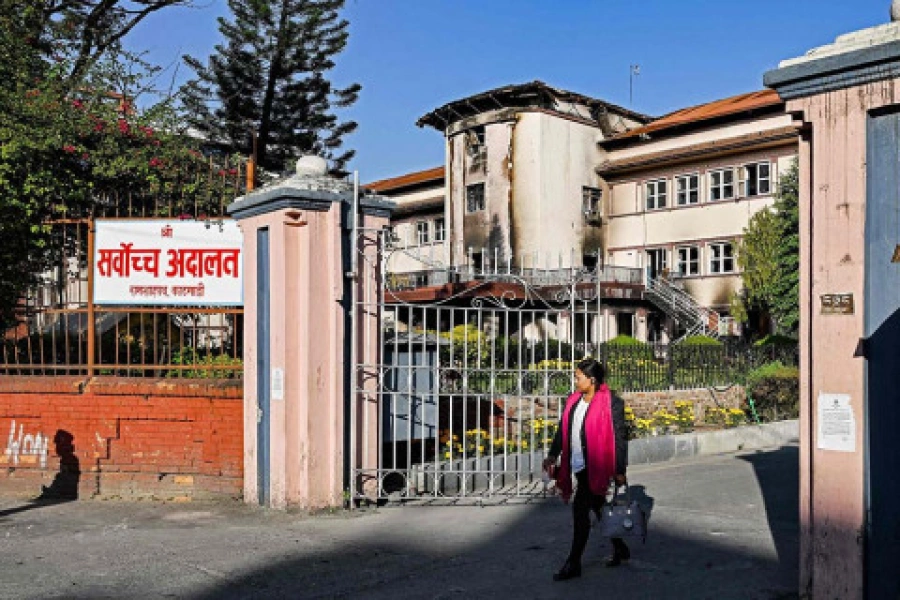
“Nineteen schools have suffered complete or partial damage. Records related to classrooms in these schools show that 10,000 children and 500 teachers have been affected. Arrangements have been made to teach the affected students through 56 temporary learning centers,” Thami told Republica Daily. “Children staying at holding centers and with relatives have been connected to nearby schools. Discussions are underway on operating residential schools for children who have lost their parents.”
According to the ministry, local governments are leading efforts to ensure continuity in children's education. Development partners and donor organizations are providing educational materials with support from the district education coordination units. The district disaster management committees are also helping organize educational services for affected children.
Children staying at holding centers in Kathmandu have been linked to schools run by Kathmandu Metropolitan City, Nagarjun Municipality and Tokha Municipality, Thami said. “More than 150 children from holding centers in Kathmandu are attending school,” he said, adding that the government had also introduced special scholarships to help flood-affected children continue their education.
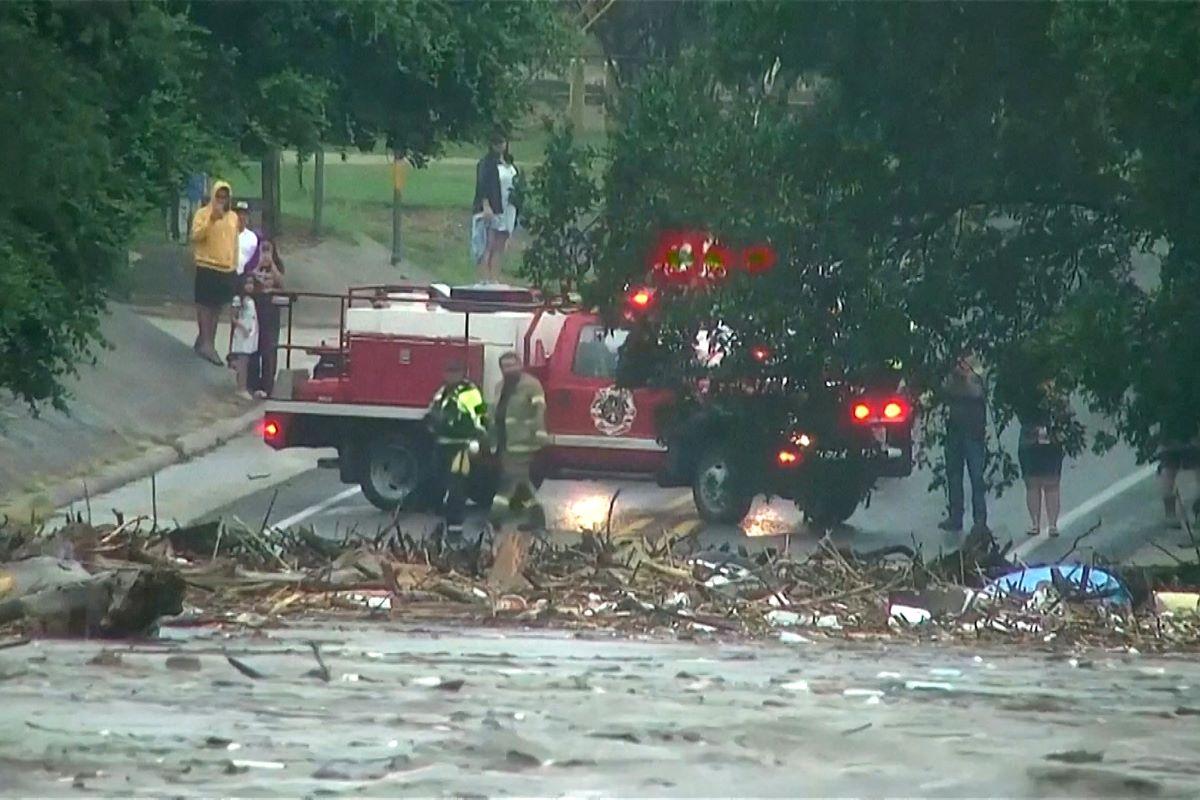
Desperate search for missing girls as nearly 80 dead in Texas f...
A preliminary study by the National Child Rights Council has revealed that the family circumstances of many children remain dire. According to data collected by the council up to October 28, of the 584 children staying at holding centers and other shelters in Kathmandu, Nuwakot and Rasuwa, 269 had lost either their mother or father, while 41 had lost both parents.
The council has clarified that these are not the final figures. The number could increase as data collection and verification of affected children are ongoing, according to details published on the council's website.
The council's study report has highlighted the challenge of providing immediate protection to children who have lost their parents while addressing their education, health, shelter and psychosocial needs. “Children may experience psychological distress due to fear of floods, separation from family members and displacement. They therefore need regular counseling and a safe environment,” the report recommends.
From scholarships to long-term protection
The government has introduced a range of programmes, from scholarships to long-term protection measures, to ensure that flood-affected children do not have to discontinue their education. According to Thami, the Ministry of Education and Sports has announced the 'Secure Future Scholarship Scheme'.
“The government has begun mobilizing resources to implement the scheme,” Thami said. “For this purpose, efforts are underway to establish a scholarship fund worth Rs 1 billion through collaboration with both the private and public sectors.” He said ensuring the continuity of scholarships was one of the ministry's priorities.
Under the scheme, children who have lost both parents will be given top priority for residential, full or partial scholarships. Children who have lost one parent and those from economically disadvantaged families will also receive assistance based on priority.
The Ministry of Education and Sports said it was preparing implementation guidelines and plans to mobilize funds from various budget headings allocated to the education sector as well as disaster management resources. The proposed scheme also includes support for educational materials, residential facilities, continuity of learning and reconstruction of damaged schools.
For the protection of children, the National Child Rights Council and SOS Children's Villages Nepal have also signed a five-year partnership agreement. Under the agreement, 50 children who have lost their parents or whose parents are missing will be included in a family-based care programme, while 100 will receive kinship care and another 100 will be provided with direct assistance.
Reconstruction and accountability concerns
The ministry said reconstruction work would begin after the National Disaster Risk Reduction and Management Authority completes the necessary assessment and prepares a report.
According to Thami, the government plans to continue classes through temporary learning centers, community-based education, nearby schools and residential arrangements, as needed, until schools that suffered complete damage are rebuilt.
Programmes are also being introduced to re-enroll affected students in nearby schools, provide educational materials and offer psychosocial counseling. A five-year recovery strategy has been prepared, prioritizing the reconstruction of safe and inclusive schools.
However, ensuring regular schooling for displaced children, long-term protection for children without parental care, actual distribution of scholarships and progress in school reconstruction remain major challenges.
Rehabilitation will be difficult without an integrated database containing the names of affected children, regular monitoring of those at risk and effective coordination among federal, provincial and local governments.
The floods have pushed children into family and educational crises, in addition to causing physical destruction. Therefore, the state's primary responsibility is not limited to distributing relief but also includes ensuring a safe childhood, quality education and a secure future for them.