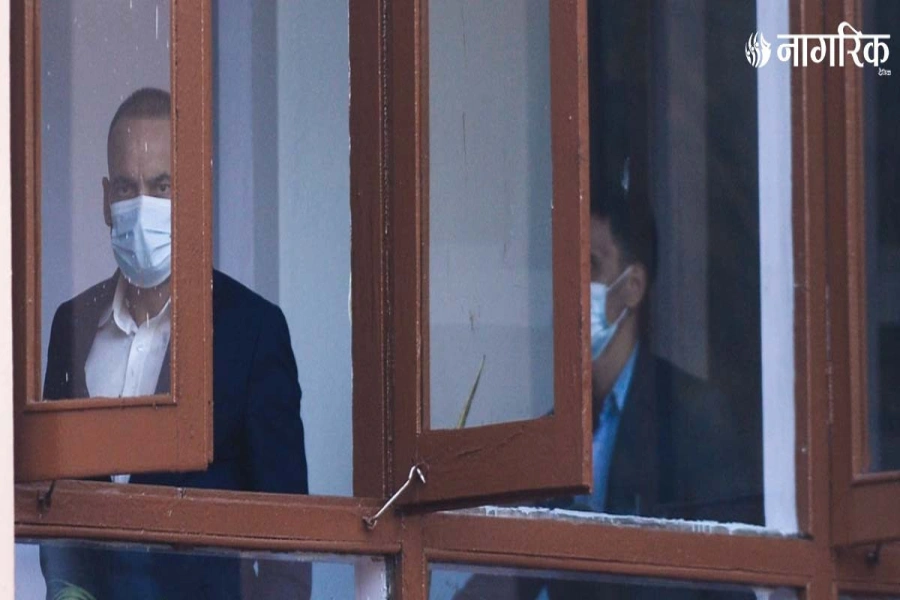
The arrest of Pradeep Adhikari, Director General of the Civil Aviation Authority of Nepal (CAAN), along with several other senior officials, has once again thrown the spotlight on long-standing corruption cases. The poorly constructed Nalinchowk Heliport has now become a prime example, with the CAAN chief and multiple officers dragged into the anti-graft net. The Commission for the Investigation of Abuse of Authority (CIAA) has filed a case in the Special Court against Adhikari; former director Murari Bhandari; engineer Sambridhi Shrestha; deputy manager Nal Bikram Thapa; and a number of private consultants. They have all been ordered to reimburse Rs 135 million in public funds allegedly embezzled or squandered during the project. The Nalinchowk Heliport, inaugurated in June 2024, is already out of service after a series of safety inspections raised serious concerns. Joint teams comprising CAAN officials, air safety experts and university engineers unanimously concluded that the site was unsafe. Helicopter pilots and local residents had also warned that the facility risked catastrophic accidents. The helipad failed to meet ICAO standards as well. According to the CIAA, officials deliberately bypassed mandatory studies and legal procedures, pushed the project forward, and misled authorities.
When the bully is the boss

This case is unusual in that those involved are being held fully accountable. But the episode has also exposed the depth of corruption in the country. Time and again, political leaders and government officials have colluded with contractors to siphon off public funds under the guise of infrastructure development and large-scale projects. From the wide-body aircraft procurement to the transfer of Lalita Niwas land, from the leasing of Gokarna Forest to the Giribandhu Tea Estate scandal and excessive tax exemptions, Nepal has witnessed numerous cases of corruption, embezzlement, and misuse of taxpayers’ money. Projects intended to support communities often turn into opportunities for politicians and bureaucrats to enrich themselves. The cache of cash found in the homes of political leaders during the Gen Z protests on September 8–9 further demonstrated how deeply corruption has penetrated the state. Officials routinely bend rules, bypass guidelines, and avoid scrutiny to accumulate wealth at the expense of the public. Detailed investigations frequently reveal favouritism towards relatives and associates, inflated project costs, and inferior work. Citizens pay heavily for public projects that are delayed, substandard, or both.
The CIAA deserves praise for taking action against CAAN officials, particularly its chief, Adhikari, who is also accused of misappropriating funds in the Pokhara and Bhairahawa airport projects. But the anti-graft body must widen its net. To regain public trust, it needs to pursue other major corruption scandals with equal vigour. Cases such as the wide-body aircraft purchase, the Lalita Niwas land grab, and questionable tax exemptions must be thoroughly investigated to demonstrate that no one—regardless of power or position—is above the law. Corruption in Nepal is often enabled through falsified documents and legal loopholes. Taking action against those responsible for the deliberate misuse of public money in the Nalinchowk Heliport project is a commendable step. With the government pledging to act more decisively, the public can hope this marks the beginning of a genuine crackdown on corruption.


-1784277548.webp)