-1772642844.webp)
As the nation votes today to elect a new House of Representatives (HoR), Nepal stands at a critical juncture. The snap election, announced 22 months ahead of schedule following the Gen Z protest on September 8 and 9, 2025 that ousted Prime Minister KP Oli-led government from power represents more than a routine democratic exercise. It is an opportunity to return the country firmly to the constitutional path and restore political stability. Prime Minister Sushila Karki, assuming office amid uncertainty following the Gen Z protest, aptly described the election as a “national ritual” and the only viable means to steer the country towards stability and development. Her call for all sides to recognise the sensitivity of the situation and work collectively to ensure a successful election underscores the gravity of the moment. After months of uncertainty, the ballot is once again the instrument through which the sovereign people will determine the nation’s direction. Across the country, 18.9 million registered voters, along with over 186,000 temporary voters, are casting their ballots at 10,967 polling stations and 23,112 polling centres. The sheer scale of participation — supported by tens of thousands of security personnel and civil servants — reflects a national commitment to constitutional order. From Madhesh Province, with the highest number of polling sites, to Karnali, with the lowest, citizens in every corner of the country are exercising their democratic rights. A total of 275 members will be elected to the HoR — 165 under the First-Past-the-Post (FPTP) system and 110 under Proportional Representation (PR). More than 6,500 candidates, including a significant number of women and independents, are contesting under various banners. The elected HoR members will not only shape national policy for the next five years but also elect the Prime Minister, thus determining the executive leadership of the country.
Nepal and India Have a Reset Moment—But History Cannot Be Wishf...

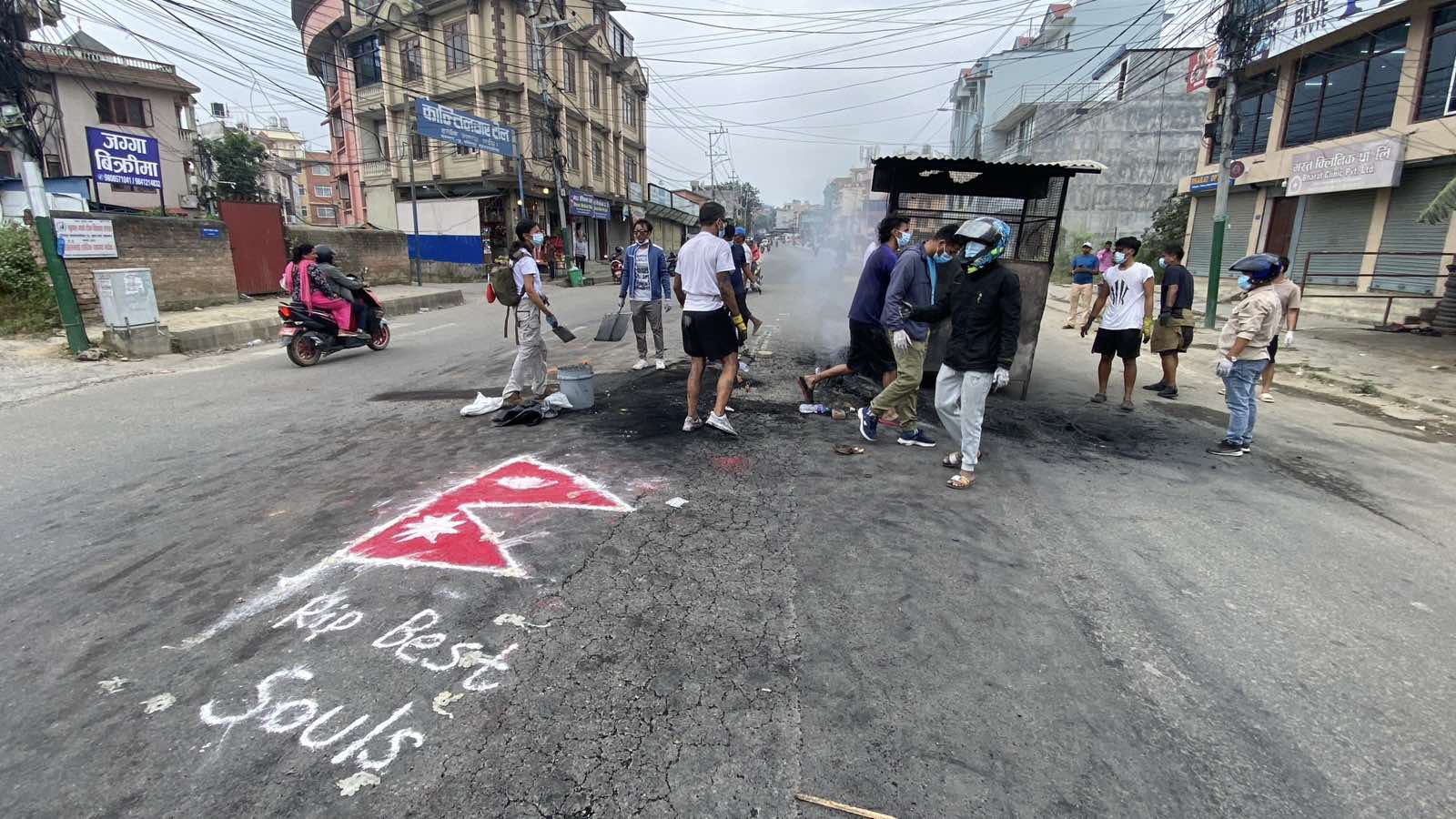
This election carries a huge significance as it is a necessary condition to restore constitutional order and safeguard the federal democratic republican system established after years of struggle. Nepal’s history demonstrates that elections have repeatedly served as the means to resolve crises. From the democratic restoration of 1951 and the first general election of 1959, through the People’s Movement of 1990, the Constituent Assembly elections following the Comprehensive Peace Agreement of 2006 with the then rebel Maoist and the promulgation of the 2015 Constitution, the ballot box has been the vehicle of transformation. Yet history also teaches a sobering lesson. The previous general election in 2022 was held with high hopes, but internal party disputes and governance failures plunged the country back into instability within two years. The recent Gen Z uprising, which claimed 76 lives and caused widespread destruction, is a stark reminder of the costs of political irresponsibility. Billions of rupees have been spent to conduct this election. Citizens expect their leaders to heed these lessons. Importantly, the current public mood does not reflect a rejection of political parties or the constitutional system itself. Rather, it reflects frustration with governance, delivery and accountability. Citizens seek transformation within the existing democratic framework — better services, economic opportunities, employment and responsive leadership. Elections remain the most legitimate and peaceful mechanism to express that demand.
Today’s vote, therefore, carries a dual responsibility. For citizens, it is an opportunity to exercise wisdom in selecting capable, mature representatives committed to constitutional governance. For political parties, it is a moment of reckoning. They must rise above factionalism and short-term power struggles, and instead prioritise national interest, institutional stability, and policy continuity. Under constitutional provisions, grievances and dissatisfaction must be addressed within Parliament, the supreme representative institution of the people. Strengthening democratic institutions — not undermining them — is the only sustainable path forward. Nepal can no longer afford cycles of instability that derail development and erode public trust. If conducted peacefully and accepted in good faith by all stakeholders, this election can restore pluralistic governance, end uncertainty, and open avenues for addressing the aspirations of diverse social groups, including the younger generation whose frustrations recently erupted onto the streets. It can mark a decisive return to constitutional normalcy. The ballot cast today is more than a vote for a candidate or party. It is a vote for stability, accountability, and the rule of law. It is an opportunity to take the country back to the constitutional path — and to move forward with renewed purpose towards development and democratic consolidation.