Nepal’s economy has been laid bare, and the diagnosis is equally uncomfortable. The economy seems to be stuck in a slow and unproductive cycle, according to the Current Economic Situation Report–2083, presented by Finance Minister Swarnim Wagle the other day. The report indicates that growth, currently around four per cent, has been slow and uneven. The pace of private spending has declined. Nepalis of working age are forced to go abroad because there are not enough jobs at home, and the money they send back has kept domestic spending going. The report has also pointed out major structural problems, such as a small tax base, poor revenue collection, rising state debt, and an expanding informal economy. Capital spending remains low, while recurrent spending continues to rise without producing meaningful results. Issues with governance, corruption, and a lack of implementation capacity further undermine confidence in the economy. The situation has worsened after the country was placed on the FATF grey list. Even the banking system has struggled to channel credit into productive sectors, despite its growth. In short, the economy shows signs of stress at almost every level.
Local polls will give momentum to economic growth: PM

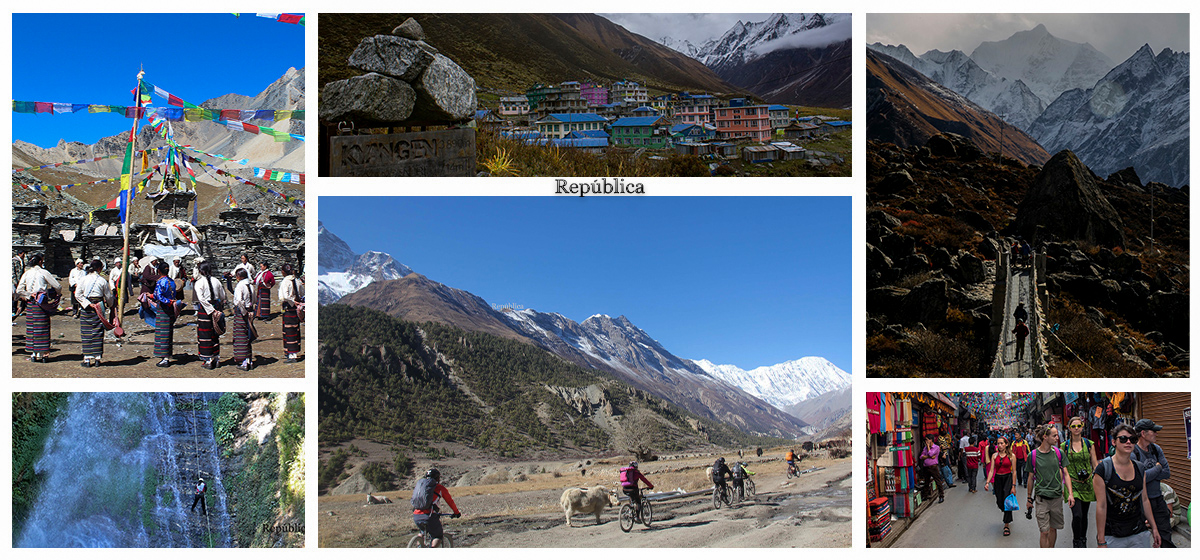
At the same time, the report highlights clear opportunities that could change the trajectory if pursued with purpose. Hydropower emerges as a major driver, with the ability to support industrial growth and attract foreign currency. Tourism, rooted in Nepal’s natural and cultural assets, offers a way to distribute income across remote areas. Agriculture holds potential for development and import substitution, while the digital economy, including IT services and outsourcing, could connect Nepal’s young workforce to global markets. The report also emphasises infrastructure development, public-private partnerships, and the effective use of remittances as key enablers. The message is clear: Nepal is not short of opportunities, but it has been slow in turning them into results. The gap between promise and performance will shape Nepal’s broader development goals, including the aspirations outlined in the government’s 100-point programme and 18-point pledge. If existing vulnerabilities persist, such promises risk becoming little more than policy documents. Slow growth will limit job creation, while rising debt and deficits will constrain public investment. Continued dependence on remittances will prolong a consumption-based economy. Over time, this combination may weaken economic resilience and deepen social dissatisfaction, particularly among young people who see fewer prospects at home.
To reverse the situation, authorities need to act with discipline. Fiscal policy must become more realistic, with tighter control over recurrent expenditure and better prioritisation of development programmes. Tax policy should focus on widening the tax net, improving compliance, and gradually bringing informal businesses into the formal system. Monetary policy should ensure that credit flows into productive sectors through targeted lending measures and incentives. Industrial policy should promote export-oriented manufacturing, including through the development of special economic zones and trade facilitation. Meanwhile, the government should act swiftly on sectors with strong revenue potential. Expanding hydropower generation and exporting electricity could generate stable foreign earnings. To compete globally, tourism requires improved infrastructure, higher service standards, and better destination management. Agriculture needs investment in technology, irrigation, and supply chains to boost productivity and reduce imports. The digital economy calls for skills development, startup support, and reliable digital infrastructure to unlock new employment opportunities. Public-private partnerships can help bridge financing gaps in large infrastructure projects, while financial sector reforms can channel resources into long-term investments. Nepal has no shortage of ambitions or potential. What it needs is consistent execution. The new report offers a clear starting point. If the government and the Finance Ministry treat it as a guide for action, the economy may move towards stability and growth. If not, the cycle of underperformance will persist.