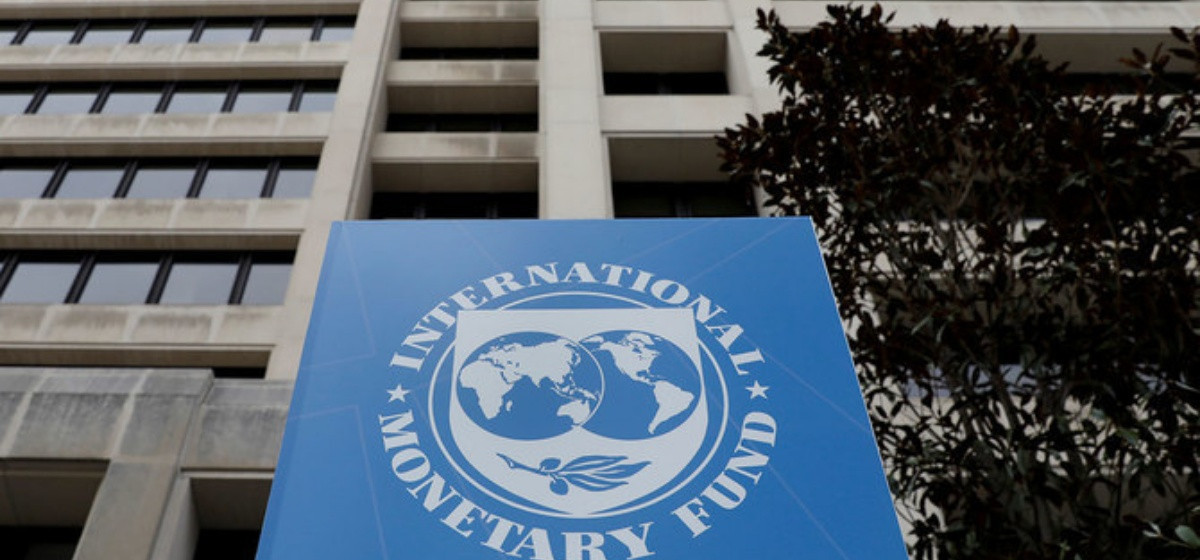
KATHMANDU, May 7: The International Monetary Fund (IMF) has extended its Extended Credit Facility (ECF) program for Nepal by two months.
The Executive Board of the IMF has decided to extend the program citing adequate time frame for the seventh and final review under the ECF program. Issuing a statement on Wednesday, the IMF has confirmed the extension of the period.
With the IMF decision, the ECF program will remain in effect until July 11, 2026. The 38-month long ECF program for Nepal was approved on January 12, 2022. Under the program, Nepal had access to 180 percent of the Special Drawing Rights (SDR) quota worth US $282.42 million.
IMF extends Extended Credit Facility by additional four months

Last time, the IMF extended the timeline of its ECF program for four months in December, 2025. On May 1, 2023, the IMF approved an extension of the ECF to January 11, 2026 with rephasing of disbursements.
With support from the international monetary watchdog organization, Nepal has pledged to maintain financial stability, strengthen foreign exchange reserves, improve public finance management, and advance economic reform measures under the ECF program of the IMF.
Abiding with the condition of the IMF for the final installment, the government had also concluded an external audit of 10 large commercial banks around six months ago.
The IMF approved its program under the ECF with three main objectives--aligned with the government’s Relief, Restructuring, and Resilience (3R) plan. First, mitigating the Covid-19 impact on health and economic activity, and protecting vulnerable groups, including by making room in the budget for health, social assistance, and job support, while enhancing fiscal transparency and governance.
Second objectives include preserving macroeconomic and financial stability, including by maintaining a prudent fiscal stance, preserving reserve adequacy, and strengthening financial sector regulation and supervision. The third ones include supporting a reform agenda that leads to sustained growth and poverty reduction over the medium term, including by implementing cross-cutting institutional reforms that improve governance and reduce corruption vulnerability.