Municipality tightens accountability with mandatory public hearings
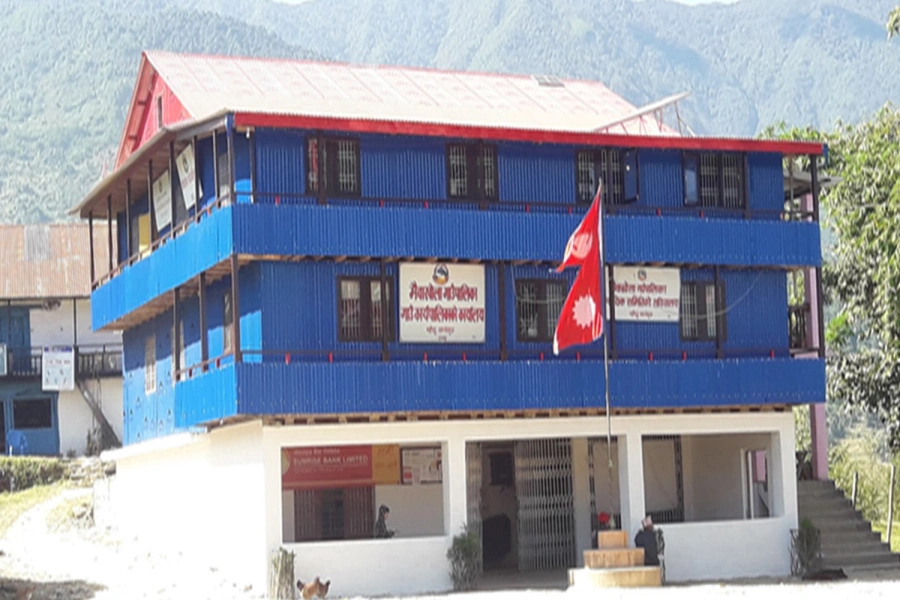
TAPLEJUNG, July 27: Maiwakhola Rural Municipality in Taplejung has introduced a new directive making public hearings mandatory for the rural municipality, ward offices, non-governmental organizations and other public bodies implementing programs within the municipality in coordination with the local government.
Under the Public Hearing Operation Procedure 2083, introduced to ensure transparency, accountability and responsiveness in public service delivery, the municipality and all ward offices must hold public hearings every four months.
Public Service Commission starts course on accountability, ethi...

The directive also requires public hearings under special circumstances. If authorities fail to organize one, at least 25 percent of members of the municipal assembly, or 25 percent of stakeholders involved in a project or program, may demand a public hearing on matters of significant public importance.
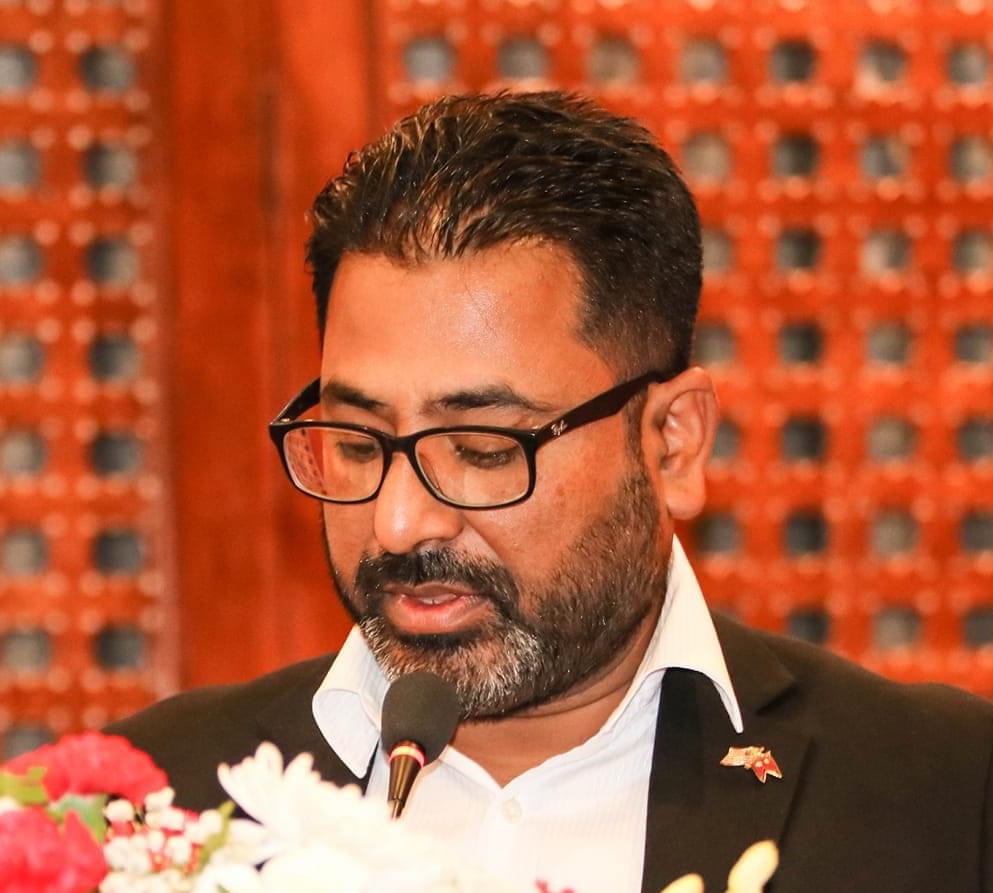
Rural Municipality Chairperson Bijay Prakash Banem said the procedure aims to make public service delivery more effective and citizen friendly by institutionalizing public hearings as a mandatory practice.
The municipality has also introduced a provision allowing public hearings before launching any program, plan or project that could have economic, social or environmental impacts.
The procedure requires responsible officials to respond to questions, concerns and suggestions raised during public hearings. The municipality may appoint a facilitator or mobilize an individual or organization to conduct the hearings. It also sets out codes of conduct for facilitators and participants.
At least three days before a public hearing, the municipality must collect citizen feedback from service seekers both before they receive services and after they leave the office. Those who provide feedback must also be invited to participate in the public hearing.
The procedure further requires a review of commitments made during previous public hearings and an assessment of progress on their implementation.
To measure improvements in service delivery, the municipality has introduced indicators to evaluate how authorities respond to issues and recommendations raised by citizens. After each public hearing, the facilitating body must submit a report, including feedback forms, key questions raised by service recipients and brief responses from responsible officials, to the municipal assembly through the chairperson.
The procedure also states that the executive committee is responsible for implementing recommendations made by assembly members to improve public service delivery.
Maiwakhola Rural Municipality said it introduced the procedure by exercising the authority granted under Section 102(2) of the Local Government Operation Act, 2017, for the purposes of Section 78(5) of the same Act.