KATHMANDU, Aug. 2: The Nepal Army has completed 32 road projects and constructed a total of 1,411.54 kilometres of roads in some of the country's most challenging terrain, significantly expanding connectivity to remote and strategically important regions.
Projects completed under the army's management include the Kanti Lokpath, Karnali Highway, Jajarkot, Dolpa Road, Besishahar, Chame Road, Kaligandaki Corridor and sections of the Karnali Corridor.
The government has long assigned the army to build roads in remote areas where steep cliffs, rugged mountains and unstable terrain make construction difficult for civilian contractors.
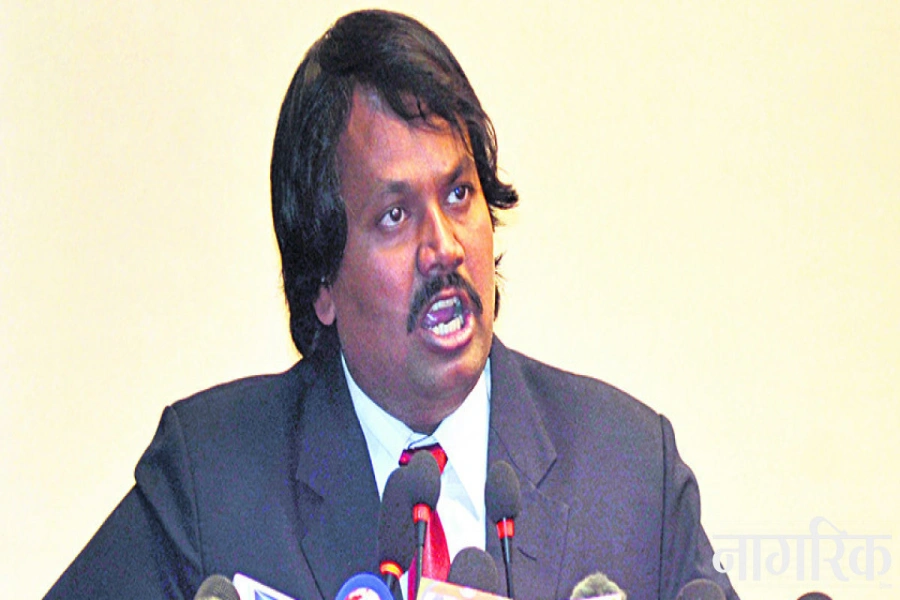
Army Spokesperson and Brigadier General Rajaram Basnet said the army has consistently completed nationally significant road projects despite limited resources, harsh weather and difficult geography. He said the army has also achieved its annual construction targets every year while contributing to national infrastructure development.
DoR constructs over 36,000 kilometers of roads across Nepal so...

The army recently completed a 10.51 kilometre section of the Khandbari, Kimathanka Road project in eastern Nepal. The Chhyamtang, Ghonghappa section was handed over to the Department of Roads on May 11. Officials believe the road will improve local development and support future cross border trade through Kimathanka.
The Nepali Army is currently working on three major road projects: the Karnali Corridor, the Darchula, Tinkar Road under the Mahakali Corridor, and the Benighat, Arughat, Larke Bhanjyang Road.
Under the Darchula, Tinkar Road project, the army is responsible for constructing a 79 kilometre section between Tusharpani and Tinkar. Despite difficult Himalayan terrain, steep rock faces and adverse weather, it completed 19.8 kilometres of road during the last fiscal year, achieving its annual target. Overall physical progress on the project has reached 25.06 percent.
On the Benighat, Arughat, Larke Bhanjyang Road, the army has already completed and handed over the 18 kilometre Hawadanda, Dobhan section to the Department of Roads. The project passes through the Manaslu Conservation Area, where the army is responsible for constructing 92 kilometres of road. Physical progress has reached 40.8 kilometres, or 44.35 percent, as of the last fiscal year.
The Karnali Corridor remains the army's flagship infrastructure project. Stretching 682 kilometres from Hilsa in Humla to Jamunaha in Banke, the corridor is considered one of Nepal's national pride projects.
The army has completed the road track on the Lalibagar, Dullikunna section and handed it over to the Department of Roads. Construction continues on the Ghatparichaur, Badrigaun, Bhukkakhola section. During the last fiscal year, the army completed 19 kilometres of road, meeting its annual target in full. Overall physical progress on the corridor has reached 86.17 percent.
To improve year-round connectivity in Humla, the army installed a Bailey bridge over the Chuwakhola River in Kharpunath Rural Municipality on July 6. The bridge links the Hilsa, Simkot road with the national road network and is expected to strengthen economic activity as well as Nepal's strategic connectivity in the northern border region.
The army said its constitutional responsibility includes constructing new road tracks, upgrading existing roads, building supporting infrastructure and handing completed projects over to the relevant government agencies in accordance with national standards.
According to the army, these projects are aimed at expanding Nepal's national road network by connecting remote and strategically important areas while promoting long term social and economic development and strengthening national security.
The army said improved road connectivity has already delivered lasting economic, social and strategic benefits by linking isolated communities with the national transport network.
It added that strategic highways connecting the Himalayan, hill and Tarai regions will improve access, facilitate trade and tourism, strengthen disaster response and stimulate local economies. The army said expanding Nepal's road network remains one of the country's most important investments for sustainable economic growth, improved connectivity and national security.