KATHMANDU, Aug 21: The government has drafted a “Super El Niño National Contingency Plan” to mitigate potential risks from drought, water shortages, lower agricultural output, reduced hydropower generation and other climate-related disasters. Prepared under the leadership of the Secretariat of the Water and Energy Commission and the Department of Hydrology and Meteorology, the plan integrates water resources, food security, energy and disaster management.
The World Meteorological Organization (WMO) has warned that a strengthening El Niño, combined with unusually warm ocean temperatures and a possible Indian Ocean Dipole (IOD), could alter weather patterns globally. Its climate update three weeks ago projected a higher risk of above-normal temperatures and below-normal rainfall in South Asia, including Nepal, in the coming months.
Experts say Nepal, highly vulnerable to climate change, needs to link scientific forecasts, early warning systems and risk assessments with preparedness plans. The proposed contingency plan seeks to strengthen preparedness before a crisis occurs, with measures tailored to Nepal’s diverse geography.
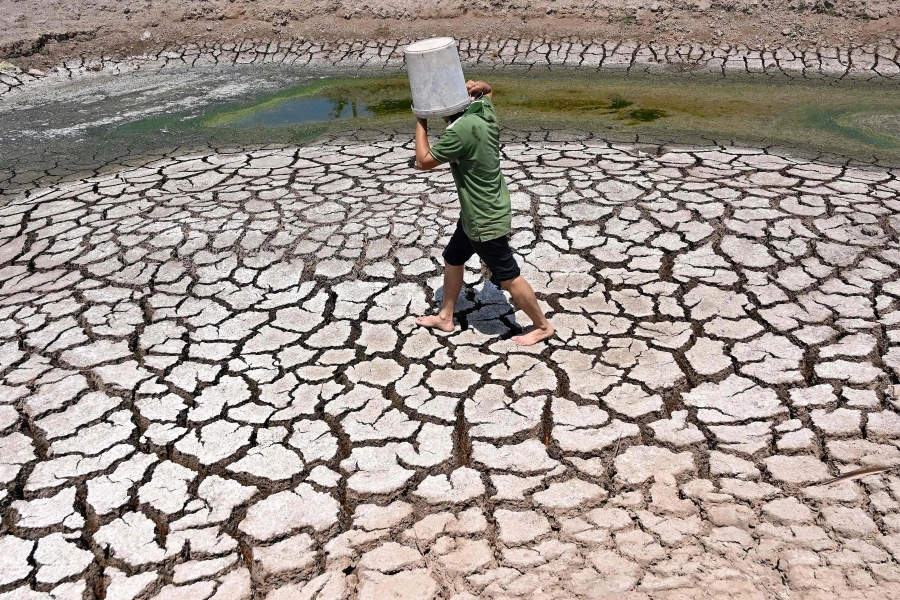
According to the Water and Energy Commission Secretariat, a strong El Niño could delay the monsoon, reduce rainfall and river flows, prolong dry periods, lower hydropower generation and agricultural output, increase forest fires and create drinking water shortages.
Preparedness based on early warnings
'Super El Nino' raises fears for Asia reeling from Middle East...

The plan outlines risk levels and predefined responses. Under the worst-case scenario, Super El Niño could reduce monsoon rainfall by more than 30 percent, trigger prolonged drought, put more than two million people at risk of food insecurity and cut hydropower generation by 40–50 percent.
A phased response would be activated according to risk levels. If the probability of a strong El Niño exceeds 70 percent, a preparedness task force would be activated. A rainfall decline of more than 15 percent would trigger sector-specific contingency plans, while worsening deficits would prompt emergency resource mobilisation. The plan covers immediate measures for 2026–2027 and medium-term actions for 2027–2030.
Preparedness in four key sectors
The plan identifies water resources, energy, agriculture and food security, and early warning and disaster management as priority areas.
For water resources, the Department of Hydrology and Meteorology would issue seasonal water-availability forecasts for major river basins, assess irrigation infrastructure and promote conservation in vulnerable areas.
In the energy sector, the Nepal Electricity Authority would prepare a “Super El Niño Energy Emergency Protocol,” assess reduced-generation scenarios and arrange electricity imports from India if necessary.
In agriculture, delayed monsoon rains could affect rice transplantation, maize and millet production and livestock. Proposed measures include promoting drought-resistant crops, providing timely advice to farmers and maintaining seed and food stocks.
Coordinated institutional mechanism
The plan proposes a national coordination mechanism involving government and non-government agencies. A “Super El Niño Preparedness Task Force” would be formed under the secretary of the Water and Energy Commission, with representatives from relevant ministries, the National Disaster Risk Reduction and Management Authority, Department of Hydrology and Meteorology, Nepal Electricity Authority and development partners.
The task force would meet monthly under normal conditions and weekly during periods of high El Niño risk, with the Water and Energy Commission Secretariat serving as its secretariat and knowledge management centre.
The plan also calls for stronger coordination among federal, provincial and local governments, with local authorities incorporating El Niño preparedness into their disaster management plans.
UN agencies, development partners, research institutions, the private sector and local communities would also be involved. The WMO and Food and Agriculture Organization, among others, could provide technical support, data and assistance in mobilising resources.
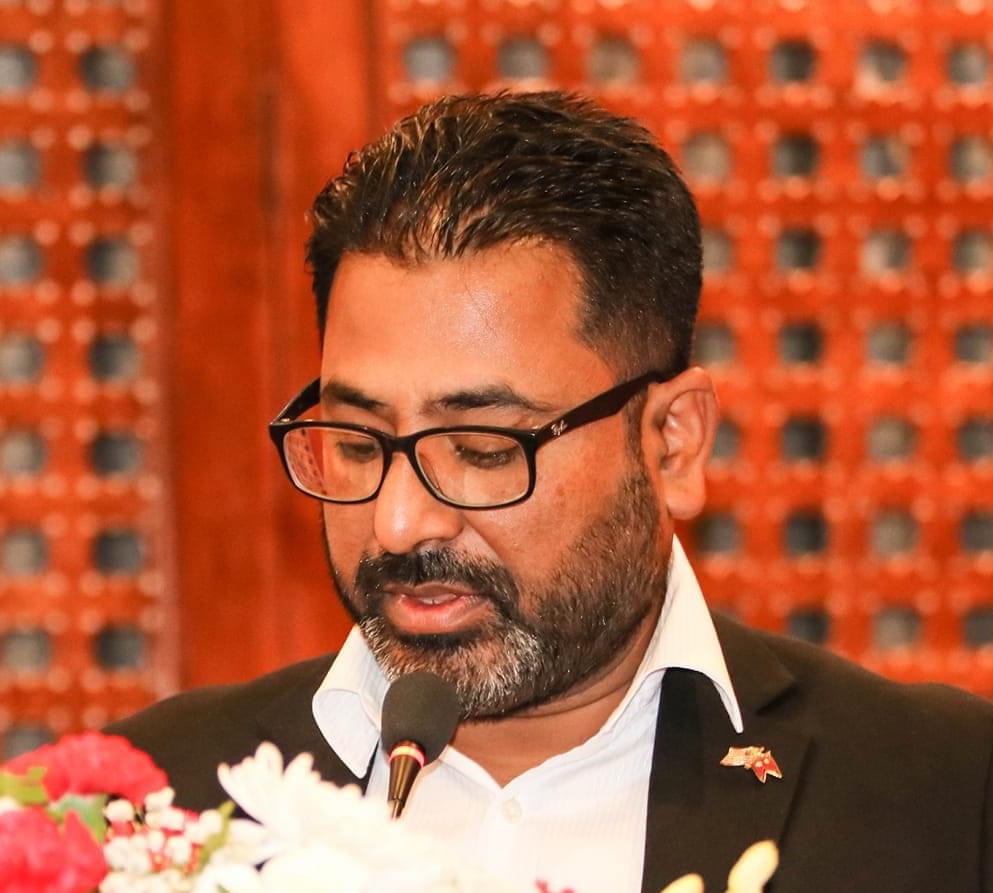
The plan proposes using FM radio, social media, SMS and local networks to provide communities with practical information, including guidance for farmers, water users and energy consumers. “Instead of focusing on rescue after a crisis occurs, this plan is an attempt to institutionalize a system of preparation before a crisis begins,” said Dr. Kapil Gyawali, senior water resources expert at the Water and Energy Commission Secretariat.