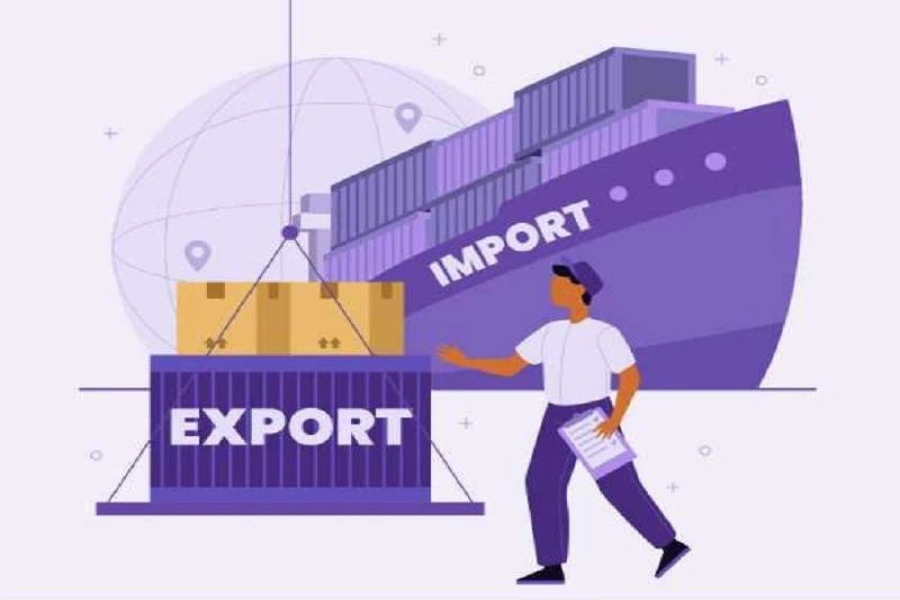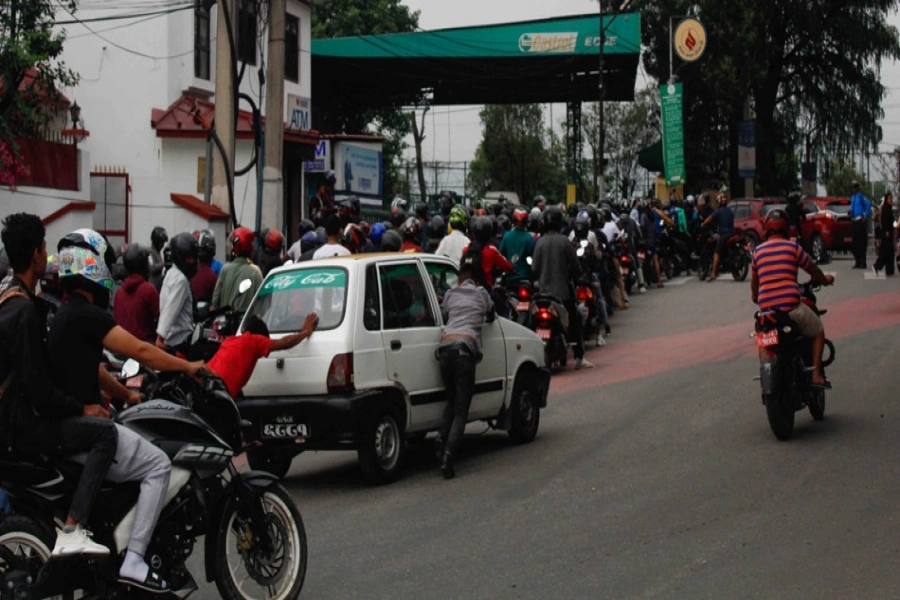
Nepal spent Rs 332.27 billion on petroleum imports in the last fiscal year, a 15.5 percent increase from the previous year. Diesel alone accounted for Rs 172.43 billion, rising by nearly 35 percent in just one year. Together, diesel, petrol, and LP gas made up almost Rs 310 billion of the country’s import bill, with petroleum products representing nearly 16 percent of total imports. These figures expose a contradiction Nepal has ignored for too long. While the country celebrates record hydropower generation and promotes electric mobility in speeches, it continues to spend an ever-larger share of its foreign currency on imported fossil fuels. Why is Nepal still buying so much petroleum when it has one of South Asia’s strongest clean energy advantages? Part of the answer lies in the economy itself. The number of vehicles on Nepali roads continues to grow every year, and most still run on petrol or diesel. Public transport remains heavily dependent on diesel. Freight movement has almost no viable alternative. Construction equipment, factories, and agricultural machinery also consume large volumes of fuel. Domestic cooking has shifted from firewood to LP gas, improving public health but increasing dependence on imported energy. The aviation sector has also expanded with rising tourism and domestic air travel, pushing up demand for aviation fuel. Yet these factors alone do not explain the whole story. Government policy deserves equal scrutiny.
Addiction

For years, Nepal has talked about reducing petroleum dependence. It has encouraged electric vehicles, promised charging infrastructure, and repeatedly highlighted the country’s hydropower potential. But policies have often moved in the opposite direction. Taxes on electric vehicles have fluctuated, creating uncertainty for consumers and importers. Charging stations remain inadequate outside major highways and cities. Nepal imports petroleum with foreign currency while exporting electricity to neighboring countries during parts of the year. The country earns from selling clean power but spends far more importing fossil fuels. This imbalance makes little economic sense. Every liter of fuel replaced by electricity lowers pressure on foreign exchange reserves and improves air quality in crowded cities. It cuts greenhouse gas emissions and creates greater demand for domestically produced electricity, giving hydropower projects a stronger market within Nepal. Consumers are willing to buy electric cars when policies remain stable. Similarly, extensive use of public electric buses, delivery vehicles, taxis, and two-wheelers can reduce fuel consumption. Electrifying public transport should become a national priority, not merely an environmental slogan. However, there is another significant facet: petroleum products generate enormous tax revenue. Excise duties, customs charges, and other levies contribute significantly to government income.
If fuel consumption declines sharply, the government could face revenue losses. But governments should not build their long-term fiscal strategy around encouraging higher fossil fuel consumption. Revenue systems evolve with changing economies. As electric mobility expands, policymakers can gradually replace lost fuel taxes with road user charges, vehicle registration fees, electricity-based transport levies, or congestion pricing where appropriate. Many countries are already making this transition. The real objective of taxation should be sustainable economic growth, not preserving dependence on imported fuel. Nepal at present finds itself at a strange junction. It possesses abundant renewable energy while remaining heavily dependent on imported petroleum. Nepal should work towards reshaping its energy future. Every delay carries a cost measured in billions of rupees flowing out of the country each year. Nepal cannot claim to be building a green economy while its fuel bill continues to climb at the current pace. Clean energy is no longer just an environmental choice but an economic necessity. The sooner policy aligns with that reality, the stronger Nepal’s economy, energy security, and balance of payments will become.