KATHMANDU, Oct 4: The Nepali Congress (NC) has unveiled a new economic policy that places private investment, production and employment at the center of its strategy to transform Nepal’s economy.
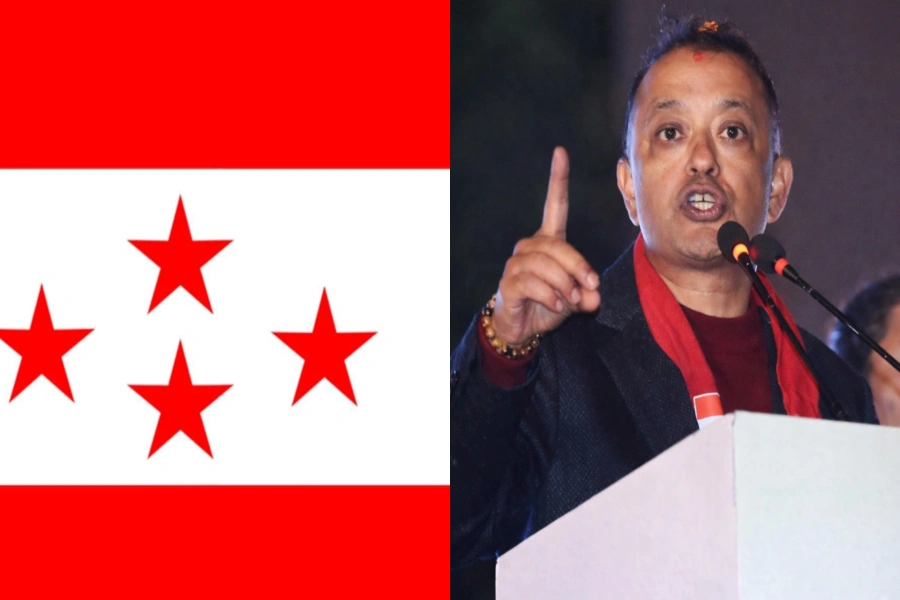
The economic agenda, announced during the party’s 15th General Convention in Kathmandu on Sunday, was presented by NC leader Gagan Thapa. The policy identifies the private sector as the “main engine” of economic growth and calls for stronger cooperation between the government and businesses.
The report argues that the private sector should not be viewed merely as a source of tax revenue. Instead, it proposes shifting the government-business relationship from regulation and tax collection toward partnership and collaboration. According to the policy, private businesses should play a leading role in wealth creation, production, innovation and employment generation.
The NC has also emphasized the need for policy stability and greater security for private investment to create a business-friendly environment. It proposes making production, enterprise development and job creation the main priorities of economic policy.
Govt seeks private sector partnership to drive economic transfo...

Another major focus is the productive use of remittances. Rather than relying heavily on remittances for household consumption, the NC proposes encouraging their investment in agriculture, industry, tourism and technology. The party has also called for creating more economic opportunities within Nepal so young people can build their futures at home, while making foreign employment safer, more organized and rights-based.
The policy seeks to gradually transform Nepal from an import- and remittance-dependent economy into a production-oriented one. Agriculture, water resources, clean energy, tourism, industry and digital technology have been identified as the major pillars of future economic growth.
The NC has proposed using Nepal’s water resources and clean energy potential as a foundation for industrial development and green-energy exports. It also wants greater policy support for businesses that connect agriculture with modern technology, markets and entrepreneurship.
The report further introduces the concept of “pre-distributive justice,” which focuses on ensuring equal opportunities before economic inequality becomes entrenched. It calls for equitable access to education, healthcare, nutrition, skills, finance and employment.
The NC also proposes a broader approach to development involving citizens, communities, the private sector, cooperatives, universities and experts rather than relying solely on government institutions.
The NC says economic progress should be measured not only through growth rates but also through improvements in education, health, nutrition, skills, capacity and citizens’ freedom. It has called for clearer accountability in state decisions, stronger monitoring of government activities and greater civic oversight.
Climate change has also been identified as an issue of economic and national security. The policy calls for disaster risks to be incorporated into development, infrastructure and settlement planning while promoting sustainable natural-resource use and linking environmental conservation with economic opportunities.
To implement the agenda, the NC has proposed releasing a “Prosperity Policy Paper” within the first 100 days and forming provincial task forces on education, nutrition, employment, good governance and green development. It also plans quarterly internal reviews and an annual public “Prosperity Report.”
The political party says its leadership should ultimately be evaluated on how effectively these policies and commitments are implemented, with the goal of moving Nepal toward a more productive, employment-oriented and opportunity-driven economy.