KATHMANDU, Aug 28: The devastating flood in the Bhotekoshi River has dealt a major blow to Nepal’s economy. The flood has caused extensive damage to private homes and property, roads, bridges, hydropower projects, transmission lines, tourism infrastructure and goods in Rasuwa, Nuwakot, Dhading and other districts.
The disaster is estimated to have caused damage worth around Rs 200 billion. As the government will have to spend a large amount of money to rebuild the damaged infrastructure, the disaster will put significant pressure on the economy, said Sushil Kumar Shrestha, senior divisional engineer at the National Disaster Risk Reduction and Management Authority.
“The Bhotekoshi disaster is not merely a natural calamity; it is an economic shock to infrastructure, energy, trade and the local economy,” Shrestha said. The flood has caused widespread damage to riverside markets, settlements, roads, bridges and hydropower infrastructure. The government will have to spend a substantial amount on reconstruction. In the immediate aftermath, the government will have to mobilise resources for rescue, relief and rehabilitation. It will then have to spend heavily on rebuilding roads, bridges, power projects, drinking-water systems and other public infrastructure. The reconstruction cost of damage estimated at around Rs 200 billion will also put pressure on the government’s development budget.
The government will now have to change its priorities for the current and upcoming fiscal years and channel resources towards reconstruction in the affected areas. This will reduce the budget available for other development projects.
A large share of the damage has been inflicted on physical infrastructure, hydropower, roads, bridges, private property and businesses. The state will have to mobilise additional resources to rehabilitate and reconstruct such extensive damage.
The disaster has first and foremost disrupted production and the supply system. Damage to roads and bridges has affected the transportation of goods. Trade and transport with China could also be affected, raising the cost of transporting imported goods and creating risks of further disruptions to the supply chain. Higher transportation costs ultimately translate into higher prices for consumers.
Bhotekoshi Flood: Disaster deals a major blow to Nepal’s econom...

The state and private sector will also have to mobilise substantial resources to rehabilitate families who have lost their homes, shops and productive assets and help restore their livelihoods.
The economic impact is not limited to the physical damage visible immediately. Loss of jobs, closure of businesses, reduced production, disruptions to electricity supplies and broken road links could have long-term effects on local economies. The government has not allocated a dedicated budget for disasters in the current fiscal year. At a time when the country was already bearing significant economic losses from the Gen Z movement, Nepal has had to face another major economic shock within less than a year.
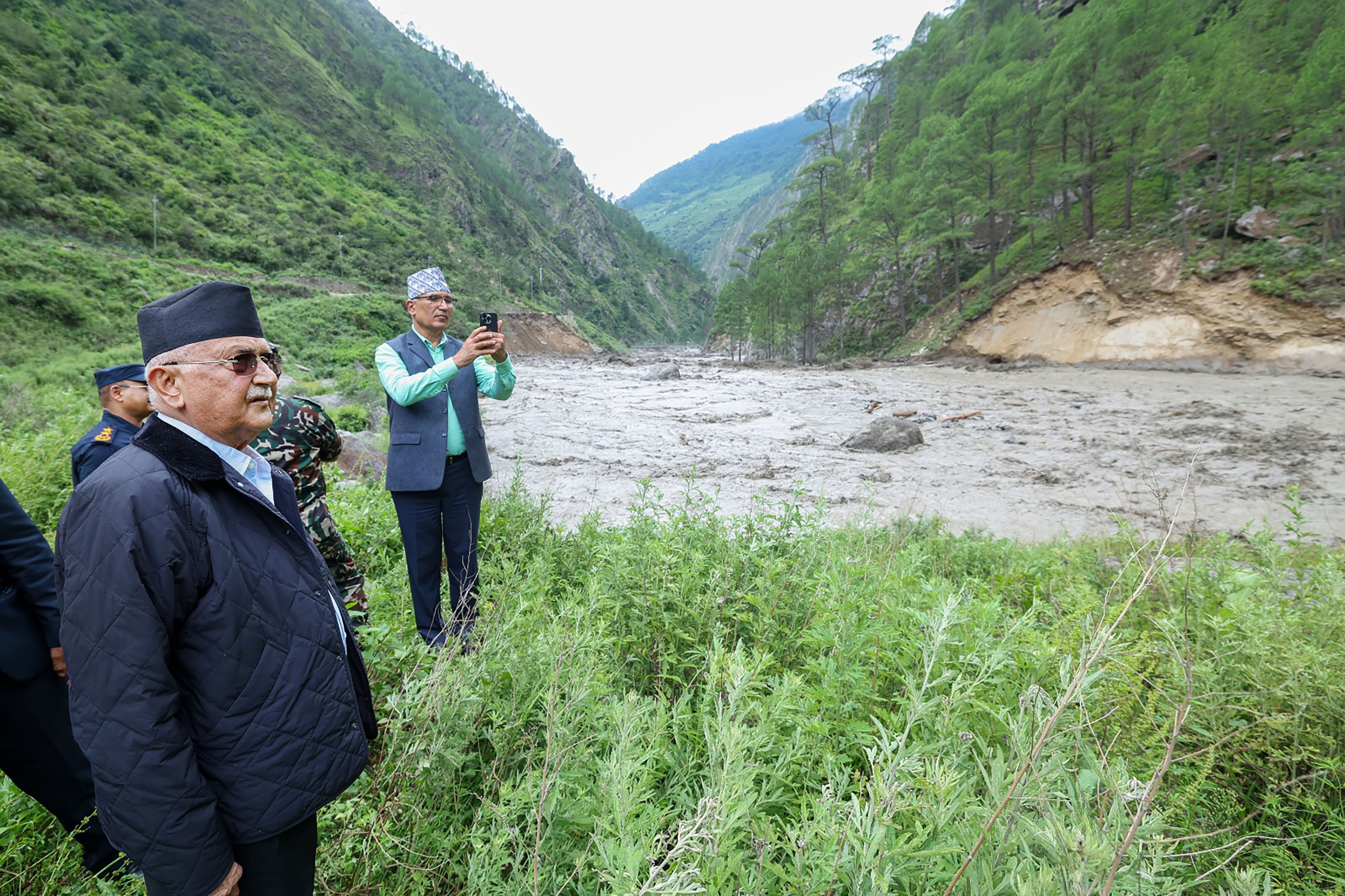
Along with immediate relief, rebuilding damaged infrastructure, resettling displaced people and restoring economic activity in affected areas have become major challenges for the government. The sudden flood originating from the Chinese side caused loss of life and property along riverside areas in Rasuwa, Nuwakot, Dhading, Gorkha and Chitwan.
Physical Infrastructure Minister Sunil Lamsal said the disaster had caused more than Rs 200 billion in economic losses, including human losses. “The preliminary estimate is that physical infrastructure alone has suffered damage worth more than Rs 200 billion,” he said. “The indirect losses could be even greater.”
A major natural disaster affects the economy in two ways. It immediately puts pressure on economic growth by reducing production and trade. Reconstruction spending may keep the construction sector active for some time, but it cannot fully compensate for the production, employment and assets lost in the disaster.
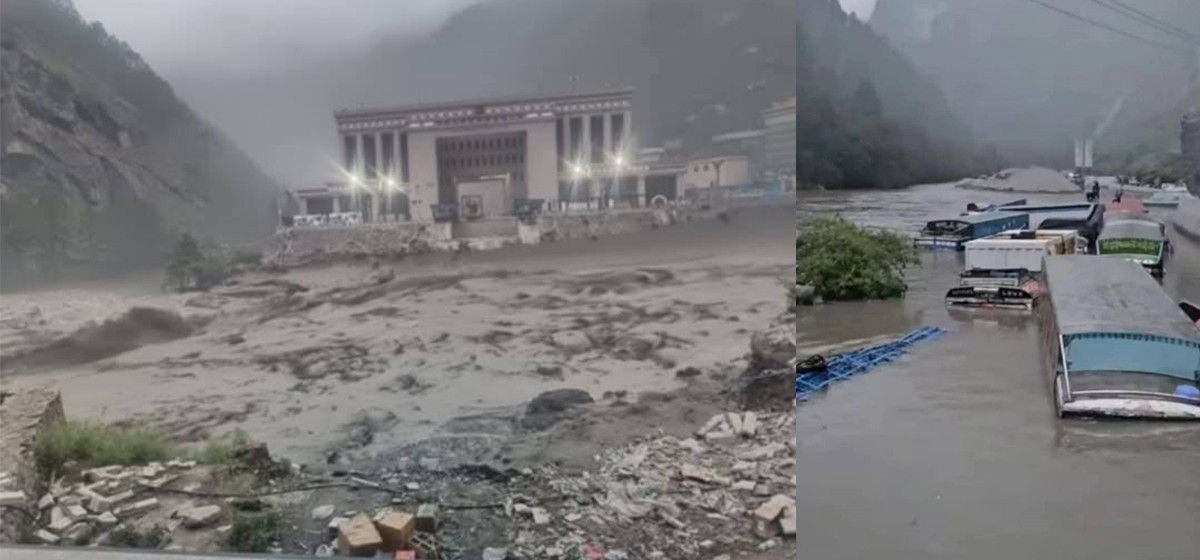
The flood has destroyed more than a dozen settlements in Rasuwa, including Timure, Syabrubesi, Hakubesi and Mailung. Customs, immigration facilities, a police post, roads and hydropower infrastructure in the Rasuwagadhi-Timure area have also been damaged.
Homes and other structures have also been swept away in Syabrubesi and surrounding settlements. The Bhotekoshi flood has damaged markets and settlements in Nuwakot, including Betrabati, Mailung, Salletar, Shantibazar, Pairebesi, Khalti, Sole, Trishuli, Battar, Tupche, Dhunge and Devighat.
Around 60 houses were reportedly swept away in Trishuli Bazaar alone. Two concrete bridges over the Trishuli River were also reportedly washed away. Roads, shops and other physical structures in Devighat Bazaar have suffered extensive damage. Structures belonging to the Trishuli and Devighat hydropower projects, as well as a 25-megawatt solar plant, have also been damaged. More than 200 trucks that had reached Rasuwagadhi to transport goods were swept away.
Flooding has caused extensive damage to private and public structures along the riverbanks in Wards 1, 4, 5 and 7 of Bidur Municipality. Roads, bridges and settlements have also been damaged along the riverbanks from the Rasuwa border to Galchhi in Dhading. According to the disaster management authority, the flood swept away 35 concrete bridges and 45 suspension bridges. Around 40 kilometres of road between Betrabati and Rasuwagadhi has been washed away.
Hydropower projects have suffered billions of rupees in damage. The Ministry of Energy, Water Resources and Irrigation said the Bhotekoshi flood has affected around 10 percent of the country’s total electricity generation capacity. Twelve power generation facilities with a combined capacity of 431.1 megawatts have been shut down. Fifteen hydropower projects under construction, with a combined capacity of 470 megawatts, have suffered billions of rupees in damage. Projects with a total capacity of 901 megawatts have been affected.
The flood has also severely affected businesses linked to trade through the Rasuwagadhi border point with China. Shops, hotels, warehouses, transport businesses and freight services in border markets have suffered damage. Preliminary reports that hundreds of vehicles and large quantities of goods were swept away indicate significant losses for the private sector.
Damage to roads leading to China and tourist routes through Rasuwa has also affected the tourism industry. Hotels, restaurants, transport operators and trekking-related businesses have lost significant direct income.