Can we imagine Nepal showing that it is possible to innovate in higher education in a different and more inclusive way? Envision a college with a proper campus dotted with well-curated greenery, welcoming spaces for students’ recreation, sports grounds and even residential facilities for students, along with accommodation for international faculty visiting on fellowships.
In short, imagine a campus with a welcoming environment that can truly empower its students. These days, more and more colleges, especially private ones, are offering modern and comfortable learning environments. Yet young people with special needs are often left out of these opportunities.
Among them, adolescents and young people over the age of 18 living with Down syndrome have few opportunities to develop their skills and continue their education. The current model of education is not tailored to their needs. It is exclusion and segregation at the highest levels, built into the institutional design.
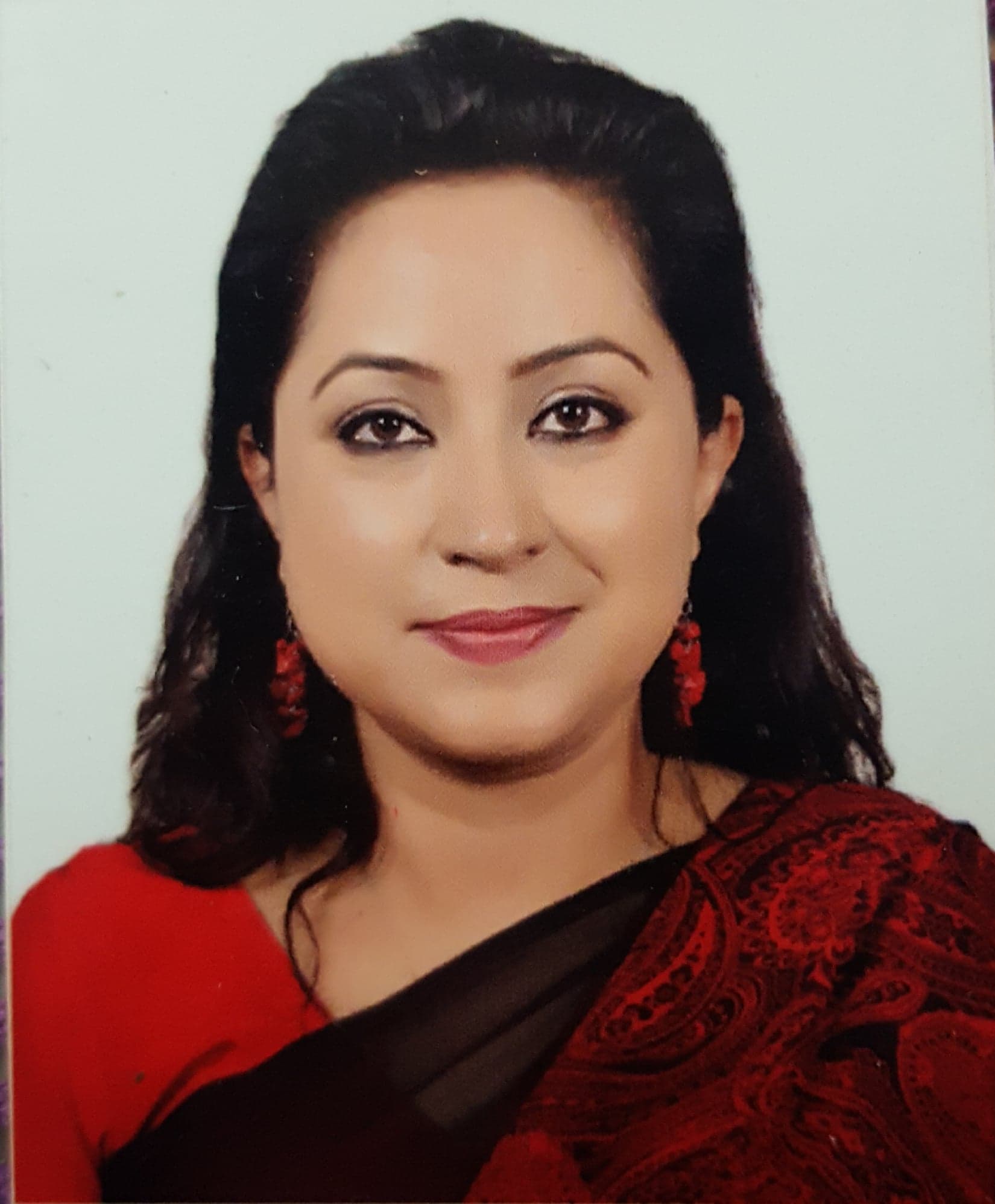
The Down Syndrome Society, an NGO founded by social inclusion activist Shila Thapa, who is also the mother of a young adult with Down syndrome, has come up with what appears to be an ambitious but urgent plan to provide higher education opportunities for young people with Down syndrome.
If realized, the project would represent a major milestone in making Nepal more inclusive and capable of providing learning opportunities to young citizens with special educational needs, particularly those with Down syndrome.
If the long-term goal is their full integration into society, including access to mainstream education, the Prōtsāhana College, or Encouragement College, as envisioned by Shila, recognizes the importance of equipping young people with Down syndrome with specific and tangible skills that are valuable in the job market. The overarching goal would be to enable students enrolled at Prōtsāhana College to master specific trades so they can become employable and, consequently, lead more independent lives.
Actor Mumtaz hospitalized with IBS: Know what the condition is...

The Down Syndrome Society is already working in this important area. Beyond providing foundational literacy and numeracy skills to children and young people attending its daily facility near Lainchaur six days a week, the nonprofit organization is investing considerable energy in preparing some of its older students through job-oriented training. Barista and housekeeping positions in high-end hotels are among the professions in which these young people have found employment.
Here, it is important to highlight the role the private sector can play in making not only the job market but society as a whole more inclusive and diverse. It is equally important to acknowledge the corporate actors that are doing their part not only to accommodate the needs of people with Down syndrome but also to offer them genuine employment opportunities. For example, the Marriott Hotel in Kathmandu is providing opportunities to two young people, while the Moxy Hotel employs one and the Lemon Tree Hotel, another high-end hospitality venue, has hired another.
Himalayan Java, the renowned coffee outlet, employs two of them. In what is a tremendous success story, one young person with Down syndrome has also opened his own small café. The fact that a young adult with a genetic difference is managing his own outlet proves that perseverance and the right opportunities can lead to remarkable achievements. To help jumpstart the careers of young people with Down syndrome, Shila and her family also established The T21 Restaurant and Party Venue. It is named after the genetic condition formally known as Trisomy 21, which affects people with Down syndrome and is caused by the presence of a third copy, in whole or in part, of chromosome 21.
The venue offers a “testing ground”—a protected and safe environment with delicious food in Baluwatar—where young people with Down syndrome can learn the skills and practices of the hospitality sector. “Children and youths with Down Syndrome need patience, and each of them has their own timing to learn and showcase their talent,” Shila shared during a recent meeting at the Down Syndrome Society office.
But vocational training cannot happen in a vacuum, which is why learning, as with any other child, must begin at an early age. “By creating specific learning pathways, it is possible to help them acquire educational foundations, including indispensable subjects such as mathematics, English and Nepali,” she said. These are taught within the premises of the Down Syndrome Society.
It is important to provide children and young people with special needs with learning pathways specifically designed for them as the foundation of an educational continuum that, in its later stages, can devote more time to developing practical vocational skills. Most of the children and young people enrolled in the school programme offered by the Down Syndrome Society are able to take learning assessments every four months. This approach emphasizes that every student can learn and should be encouraged to make a genuine effort.
In addition, a sense of personal responsibility and accountability remains a key component of the long-term learning journey initiated by Shila and her dedicated team of professionals. “Each of our students,” Shila explained to me, “is given responsibility for specific tasks, such as cleaning their tables and taking care of their learning and play environment.”
Peer education is also a key component of the learning approach initiated by the Down Syndrome Society. Older students, based on their skills and capabilities, help their younger peers. One day, hopefully, the state at the federal, provincial and local levels will be able to offer better opportunities for children with special needs, including by piloting mainstream educational programmes. There have been important announcements in the recent federal budget concerning children with autism, including plans to establish one school for them in each of the seven provinces.
This is an area where, according to Shila, children with Down syndrome could potentially benefit as well. But basic educational opportunities must be matched by real employment opportunities because, as Shila told me, “Children with Down Syndrome, like other children with special needs, if supported, can perform and excel.”
These days, the Down Syndrome Society is organizing a three-month vocational training course, mainly focused on housekeeping and barista skills, for some of its beneficiaries who are old enough to enter the labor market. This is an attempt to first experiment with and later formalize a different stream of vocational education that the state could one day officially recognize.
If Prōtsāhana College is still far from becoming a reality, it is clear that the foundations for such a pioneering project are already being laid. Oftentimes, the word “innovation” is used in abstract or fashionable ways that make it difficult to understand what it means in practice.
Yet innovation can also mean imagining young citizens with Down syndrome, or other young adults with special needs, capable of showcasing their skills and trades and determined to reject the false but widely held assumption that they are a burden on society. They can live autonomously, and many of them can even live independently.
Yet the system must acknowledge their existence as citizens entitled to the same rights as everyone else while also recognizing their unique circumstances and conditions, which require additional support from the state. Rather than ignoring them, the state must translate constitutional guarantees of equality into concrete measures that offer children and young people with special developmental needs pathways that tap into their capabilities.
Because potential is innate and belongs to everyone, regardless of status, caste or level of disability. Creating Prōtsāhana College might appear to be an overly ambitious endeavor for a country like Nepal. Actually, if you pause and think about it, it is not. It is high time to turn the inalienable rights of citizens with Down syndrome into real opportunities for self-reliance, empowerment and personal development—not pathways to lifelong dependence, but tailor-made opportunities for professional excellence.
Patience can really pay off.


.jpg)