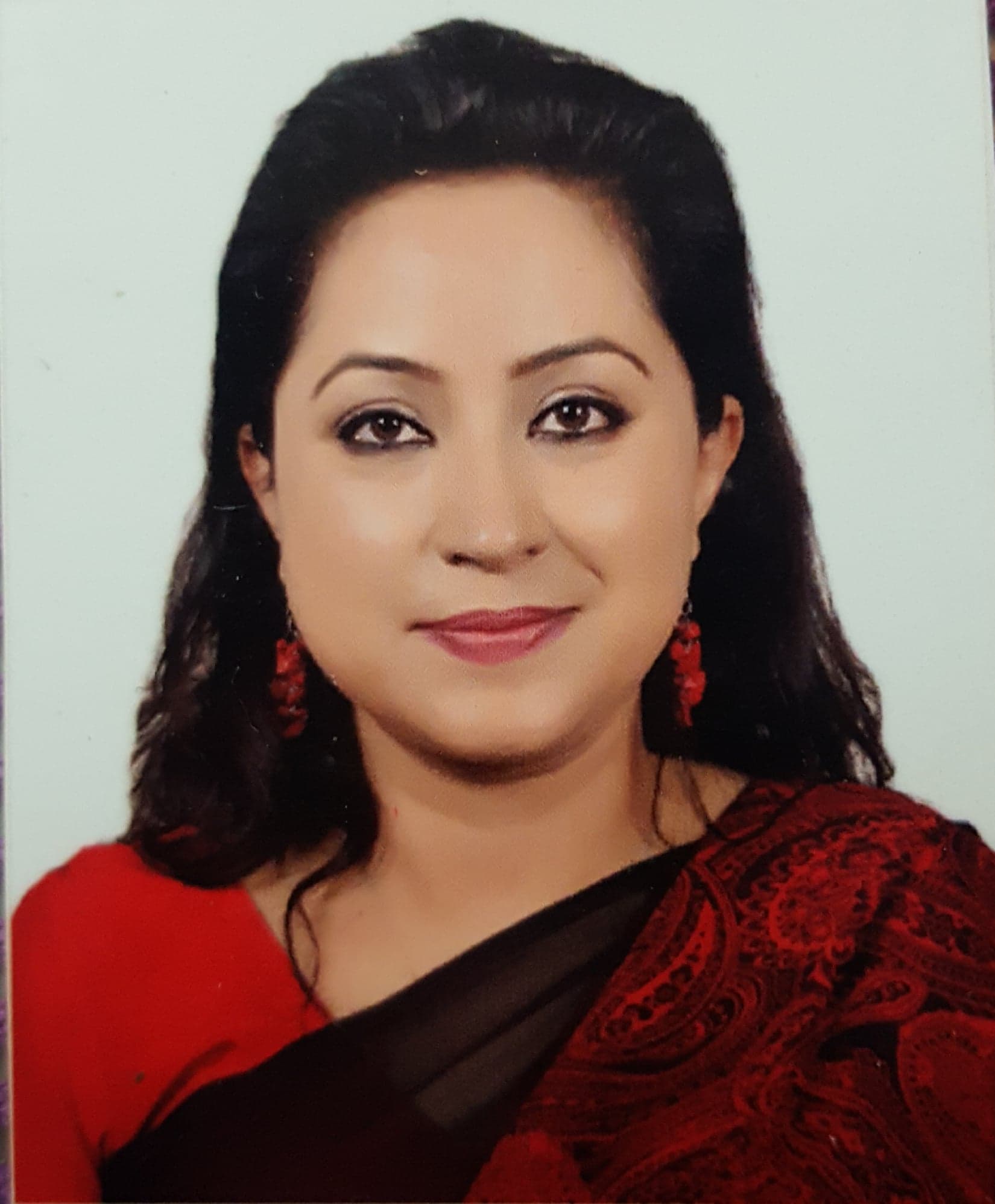
KATHMANDU: Nepali Congress President Gagan Thapa has called for greater openness in Parliament and political parties, saying lawmakers and party members must have space to question their leaders freely.
Addressing the opening of the Nepali Congress’ 15th General Convention at Khula Manch (Open Theater) in Kathmandu on Sunday, Thapa said Parliament could not be considered truly open until the prime minister appeared before lawmakers with due respect for the institution.
“The first open forum we need is inside Parliament. Parliament is not open; it is closed,” Thapa said. “Until the prime minister respectfully appears before the lawmakers who elected him, Parliament cannot be considered open in the true sense.”
Thapa also raised concerns about weakening internal democracy in political parties. “We need an open forum within parties where members are not expelled simply for questioning their leaders,” he said.
Describing Khula Manch as a public archive of Nepal’s political history, Thapa recalled speeches and political commitments made there by BP Koirala, Ganesh Man Singh, Girija Prasad Koirala, Sushil Koirala and Sher Bahadur Deuba.
“Without the contribution of the Nepali Congress, Nepal’s history would remain incomplete,” he said.
Thapa said a chair had been kept vacant for former party president Sher Bahadur Deuba, who did not attend the convention.
“Some friends are angry and have not come today. We had kept a chair vacant for Sher Bahadur Deuba and hoped he would come to inaugurate the convention. He did not come, and we have no complaints,” Thapa said.
Addressing the convention, Rastriya Swatantra Party Chairman Rabi Lamichhane urged political parties to abandon threats of street protests to topple the government.
Book by Ujwal Thapa ‘Why Nepal?’ released

“The government will not fall. Those saying it will fall will themselves collapse,” Lamichhane said.
He argued that periodic elections were the legitimate means of changing governments. If the RSP failed to deliver results within five years, voters were free to throw it out, he said.
“Democracy is not under threat. If it ever is, the people have the power to protect it,” Lamichhane said.
He also called for an end to refusing election results, questioning the neutrality of security agencies and the Nepal Army, and routinely alleging foreign interference.
Nepali Communist Party Coordinator Pushpa Kamal Dahal said Thapa had the ability to lead not only the Congress but eventually the country.
Dahal recalled working with Thapa when he was prime minister, and Thapa served as health minister.
“Now move forward on the path of leading the country. We are ready to support you,” Dahal said. “I had said earlier that Gaganji has leadership ability and could eventually reach a position to lead the country. I see that possibility today.”
Calling Thapa’s rise amid difficult political circumstances a “break from continuity,” Dahal urged him to bring excluded Congress leaders and groups back into the party. He also warned political parties to remain alert to possible threats to democracy and the republic.
Congress Vice President Bishwo Prakash Sharma said public frustration remained despite the formation of a new government following elections.
“We still seem to enjoy attacking one another on social media. Why is everyone angry, dissatisfied and frustrated?” Sharma asked.
He said the Congress would support constitutional amendments if they were based on a review of the Constitution’s first decade of implementation. He also called for addressing demands raised by Gen Z youths, as well as issues emerging from the Madhes movement, the 2006 People’s Movement and the Tharuhat movement.
CPN UML General Secretary Shankar Pokharel accused the government of moving toward authoritarianism and refusing dialogue with political parties, Parliament and citizens.
“It is worrying when a prime minister elected through the people’s mandate refuses to listen to citizens,” Pokharel said.
Recalling past cooperation between democratic and leftist forces against the Rana regime, the Panchayat system and King Gyanendra’s direct rule, he called for renewed cooperation among democratic and leftist forces to safeguard democracy.
Rastriya Prajatantra Party Chairman Rajendra Lingden said the Constitution was not an unchangeable document and proposed a new national understanding involving the monarchy, political parties and the younger generation.
He said such an agreement should incorporate the democratic aspirations of 1951, multiparty democracy restored in 1990, the inclusion and proportional representation agenda of the 2006 movement, and demands emerging from the recent Gen Z uprising.
“The Constitution is not the Gita, Bible or Quran. It is not something that cannot be touched or changed,” Lingden said, arguing that weaknesses in the existing political system and constitution needed correction.
Former prime minister Baburam Bhattarai called on political leaders to trust the new generation and develop a common national plan to turn Nepal into a developed country within 20 years.
“Let us prepare a plan and let political parties compete over how best to implement it. Only then can the country develop,” Bhattarai said.
Janata Samajbadi Party Nepal leader Sharat Singh Bhandari said Nepalis would not accept “controlled democracy” under any pretext. He said Nepal was passing through serious economic, social and geopolitical challenges that required cooperation among major political forces and national unity.
Nagarik Unmukti Party Nepal founder Resham Lal Chaudhary criticised both old and new political leaders, including Prime Minister Balen Shah and the RSP, saying the new generation had yet to demonstrate that it could transform the country.
“The grey-haired leaders who called themselves young failed the country. Now those with completely black hair have also shown no sign of building the country,” Chaudhary said.
He argued that neither old nor new political extremes could solve Nepal’s problems and expressed greater confidence in middle-generation leaders such as Thapa.
Shram Sanskriti Party General Secretary Aren Rai praised the Congress’ contribution to Nepal’s democratic struggles, saying it was a party built through sacrifice rather than publicity.
Rastriya Janamorcha Acting General Secretary Ghanshyam Neupane raised concerns about cooperative fraud, the struggling economy and climate change.
Referring to the Bhotekoshi disaster, which he said killed more than 1,500 people, left over 5,000 missing and caused property losses worth hundreds of billions of rupees, Neupane called on political parties to unite. He also warned of growing threats to the republic and recalled earlier joint democratic movements involving leaders including Thapa and Sharma.




.jpg)