A statement issued here by ICIMOD stressed that cooperation across borders for the management of landscapes would help preserve the Hindu-Kush Himalayan region´s unique biological diversity, valuable ecosystem goods and services, and value-based cultural and natural heritage, while enhancing livelihood opportunities of the local communities of the most revered and sacred transboundary landscapes in the world, namely Kailash and Kanchanjungha. [break]
According to the statement, recognizing the global and regional significance of transboundary landscapes, the ministry has been working closely with ICIMOD and partner institutions from Bhutan, China, India, and Nepal to facilitate the development of a regional cooperation framework for developing Transboundary Landscape Conservation and Development Initiatives for long.
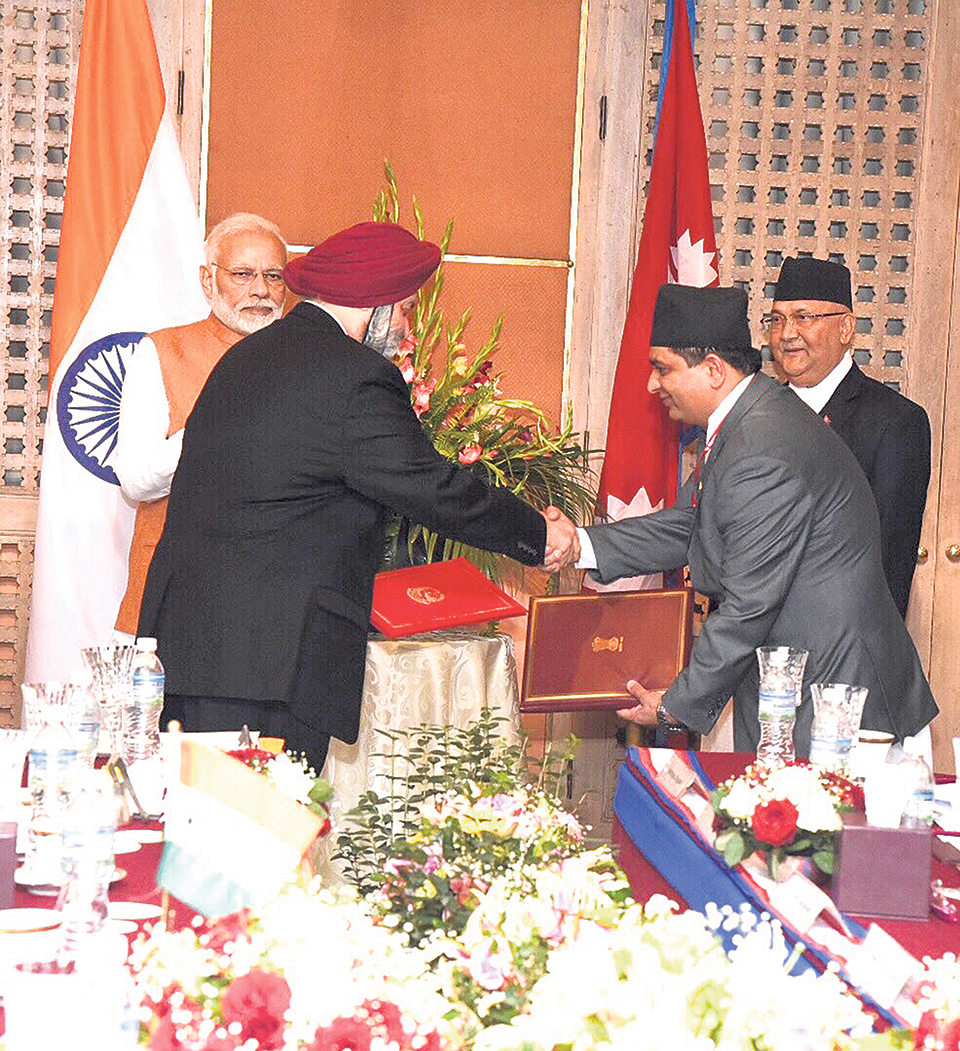
In this context and for future cooperation in other landscapes, the secretary of the ministry Dr Krishna Chandra Paudel and Director General of ICIMOD, David Molden, signed the memorandum at an official function in the capital. Prior to the ceremony, MoFSC held the second national coordination committee meeting for Kailash Sacred Landscape Conservation and Development Initiative, in which several key decisions were taken for the implementation of the programme on ground.
The MoU sets forth areas and modalities of cooperation based on the understanding reached and broad areas identified for focusing the collaboration by both parties. The implementation of this MoU would be effected through agreements with key Nepali institutions that share the common vision of long-term conservation initiatives based on regional transboundary cooperation and ecosystem management approaches, the statement reads.
Related story
MoU signed between Nepal Netra Jyoti Sangh and Mahidol Universi...