KATHMANDU, May 6: On wooden aisles, historic and valuable works of art from the Nepali art scene were displayed at the lobby of the Himalayan Bank in Kamaladi on Sunday. These paintings were some of the few from the collection of artist and art collector Shri Narrottam Das Shrestha, who was also the first person to open a commercial art gallery, the Kathmandu Art Gallery, in Nepal in 1994.
“Narrottam ji has one of the most important collections of painting in the country,” said Sangeeta Thapa, Director of Siddhartha Arts Foundation. “It took me 10 years to convince Narrottam ji to open his collection to researchers, scholars and students so that a comprehensive book on contemporary Nepali art can finally be written,” she shared.[break]
The event, which was organized by Narottam Das Indira Devi Shrestha Guthi and Siddhartha Arts Foundation, also included a presentation by art critic Mukesh Malla on historical artworks based on Shrestha’s collection. The presentation delved into the evolution of Nepali contemporary art and brought into light, its status and issues surrounding it.
“These selections and the collection of Shrestha are an encouragement to the Nepali arts scene. It is testimony of the fact that we also have legendary artists in Nepal but we haven’t been able to showcase their artistic brilliance to the world,” said Malla.
The chief guest of the event, culture expert Sattya Mohan Joshi, also commented on the contributions and achievements of art connoisseur Shrestha and the contemporary Nepali art scene on the whole. “Narrottam ji’s collections are not only his prized possessions, but they are the treasures of the whole of Nepal,” said Joshi. Joshi also highlighted the importance of studying the background and history of Nepali art in order to understand Nepali art on the whole.
Narrottam Das Shrestha’s collection includes works of artists who are credited for the development of contemporary art in Nepal such as Anish Muni Shakya, Tej Bahadur Chitrakar, Chandra Man Maskey, Lain Singh Bangdel, Uttam Nepali as well as paintings by European and Indian artists which once belonged in Rana palaces.
Related story
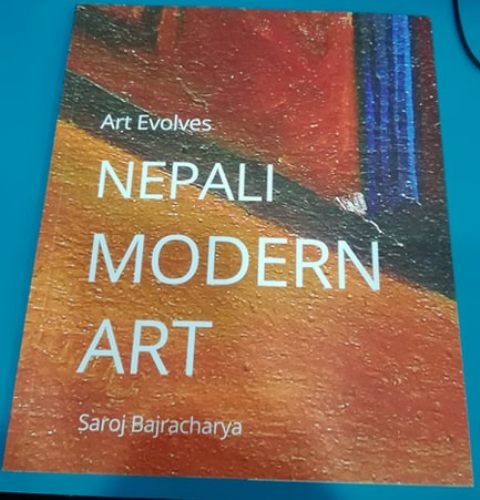
‘Art Evolves: Nepali Modern Art’: Review