KATHMANDU, June 11: Home Minister Sudan Gurung on Thursday publicly apologised to squatters whose homes were demolished, saying the situation could have been handled more humanely while also drawing attention to bureaucratic hurdles that he says are hampering Nepal's disaster response efforts.
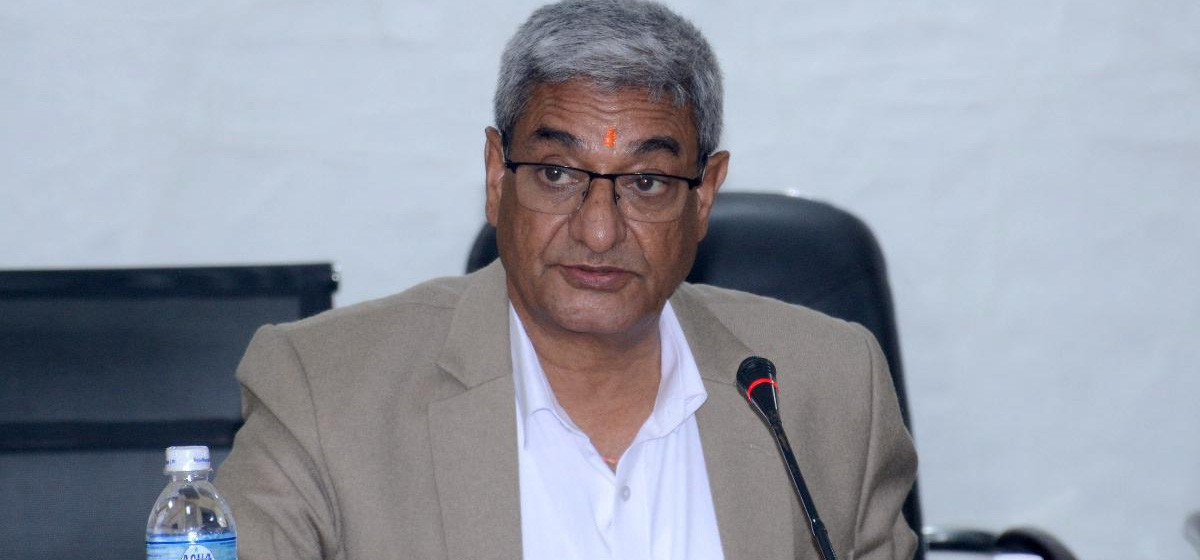
Speaking at a meeting of the Disaster Management Committee, Gurung expressed personal regret over the plight of families displaced during recent eviction drives, acknowledging the emotional toll the demolitions had taken on affected communities. "I would like to apologise especially to my brothers and sisters among the squatters," the minister said. "Even while watching the situation, I felt it was difficult for me."
His remarks come amid growing debate over how the state should address the longstanding issue of informal settlements while balancing legal, social and humanitarian concerns.
While stressing that the problem of unmanaged settlements ultimately requires a lasting solution, Gurung said the process could have been handled in a more sensitive manner. He expressed disappointment that authorities were unable to manage the situation differently and pointed to shortcomings in existing legal provisions.
SC makes publication of public procurement tender notices in ne...

According to the minister, the absence of adequate legal frameworks has often limited the government's ability to deliver effective and equitable outcomes in such cases.
Disaster response hampered by procurement delays
Beyond the issue of squatters, Gurung used the meeting to highlight what he described as a major obstacle to disaster preparedness: lengthy government procurement procedures.
Referring to Nepal's recent experience using heavy-lifting drones to deliver relief supplies in disaster-hit areas of Sindhupalchok and Kavrepalanchok, he said technological advances are outpacing the government's ability to acquire essential equipment.
The Home Minister noted that drones capable of carrying up to 200 kilograms are now available and could significantly improve emergency response during floods, landslides and other disasters. However, existing procurement laws make it difficult to deploy such technologies when they are needed most.
"We used heavy-lifting drones for the first time in Nepal to distribute relief in Sindhupalchok and Kavre," he said. "Now 200-kilogram-capacity drones are available, but under the procurement law it takes 45 days to purchase them. By the time the drone arrives, the monsoon is already over."
Questioning the practicality of the current system, Gurung argued that procedures under the Public Procurement Act are ill-suited to emergency situations where speed can determine the effectiveness of relief operations. "What kind of law is this?" he asked, calling for amendments to procurement regulations to enable faster acquisition of critical equipment and make disaster-response work more efficient.
His comments underscore a broader challenge facing Nepal as it seeks to modernise disaster management systems while remaining bound by administrative procedures designed primarily for routine government spending rather than urgent emergency needs.