KATHMANDU, March 25: Recent public incidents have raised serious questions about the relationship between the country’s security agencies, administrative machinery, and political system. According to multiple sources, indiscipline within state institutions, lack of clarity in decision-making, and the shadow of political influence remain strong.
The most discussed issue is the violence during the Gen Z movement and the subsequent investigation report. The report recommended disciplinary action against several senior officials of Nepal Police and Armed Police Force, forwarding its suggestions to the then Prime Minister and Home Minister. It concluded that excessive force was used during crowd control, coordination between command and implementing agencies was lacking, and situations were poorly assessed. This has raised questions not only about operational methods of security forces but also about the overall command structure.
Within security agencies, reactions are mixed. Some officials say that recommending disciplinary action, even when orders were implemented within legal bounds, could lower morale. Others, prioritizing human rights and accountability, argue such steps are necessary. This underscores the challenge of balancing security and responsibility.
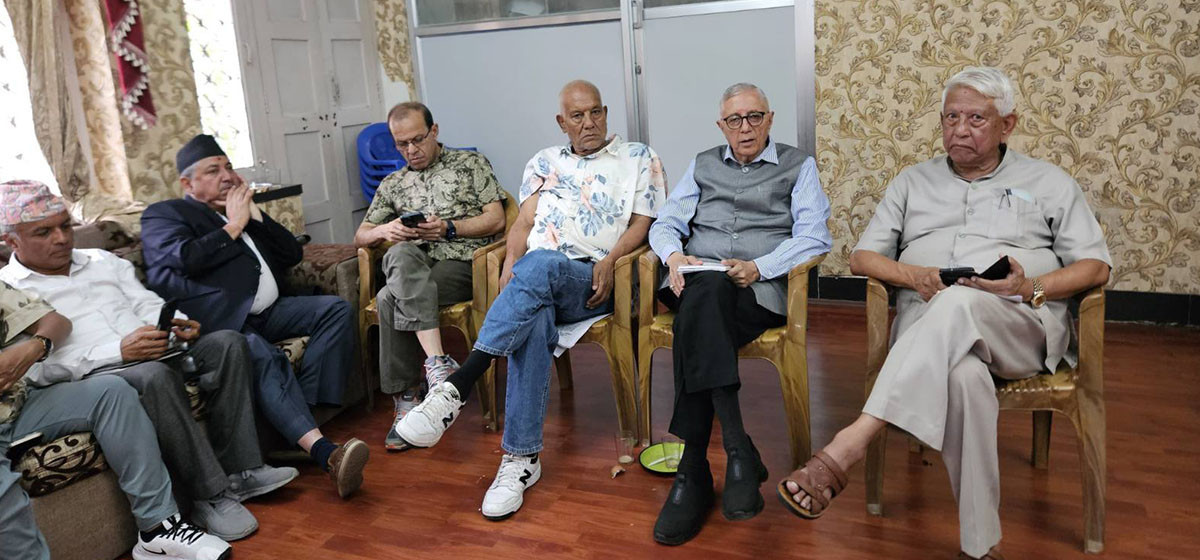
Disciplinary action in NC infuriates Shekhar faction
Other reports highlighted weaknesses at administrative and political levels. Delays in decision-making, lack of institutional coordination, and dominance of personal interests have weakened state mechanisms. In some cases, political pressure prevented impartial decisions, affecting administrative functioning.
While government agencies attempted strict enforcement of regulations in certain cases, these efforts have often lacked sustainability and effectiveness. Rapid monitoring and disciplinary actions occur, but structural shortcomings allow issues to recur.
Political leadership has also come under scrutiny. Absence of clear policies, long-term planning, and transparent decisions has left administrative structures directionless. Individualistic and power-centric approaches have hindered institutional development.
Experts say the current situation signals the need for reforms. They emphasize enhancing professional capacity within security agencies, defining clear procedures and responsibilities, reducing political interference, and ensuring institutional autonomy.
Overall, recent events highlight the urgent need for deep reforms in Nepal’s governance system. The report concludes that without accountability, transparency, and effective coordination, good governance is unattainable and warns that unresolved weaknesses could trigger more complex challenges in the future.