

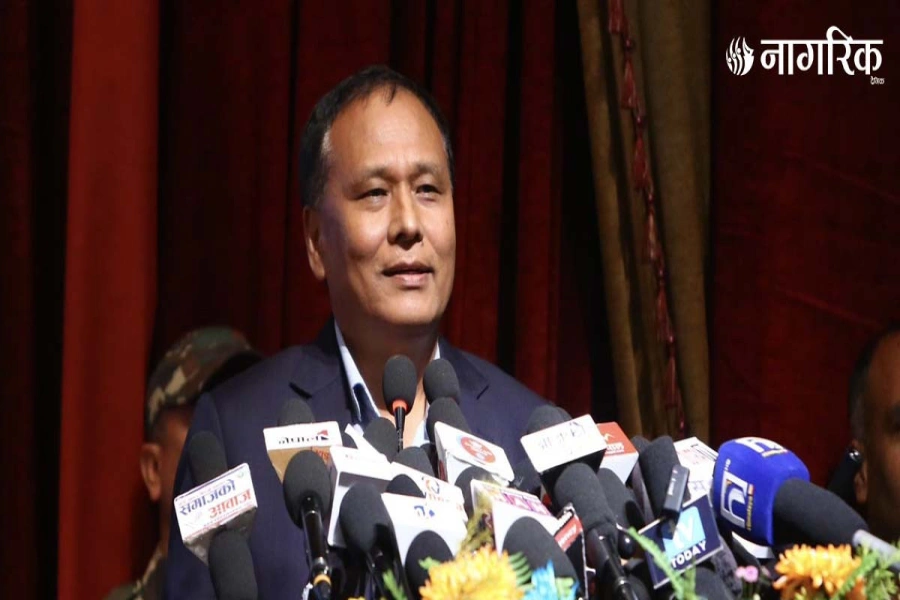
KATHMANDU, Dec 3: The newly formed Ujyalo Nepal Party (UNP), under the leadership of energy expert Kulman Ghising, unveiled its manifesto on Wednesday in Kathmandu, calling for a sweeping overhaul of Nepal’s administrative leadership and advocating meritocracy over political favoritism.
The party, chaired by former Energy Secretary Anup Kumar Upadhyay, promises structural reforms in the country’s bureaucracy, economy, and governance.
At the launch, Ghising — currently Minister for Energy, Water Resources and Irrigation; Physical Infrastructure and Transport; and Urban Development in the Sushila Karki-led interim government — appeared as the chief guest.
Speaking at the event, Ghising praised Upadhyay for transforming the “Ujyalo Campaign,” an initiative he has led for the past eight years, into a political movement with widespread support, including from Nepalis living abroad.
Kulman’s party to be named ‘Ujyalo Nepal’, Anup Upadhya to lead...
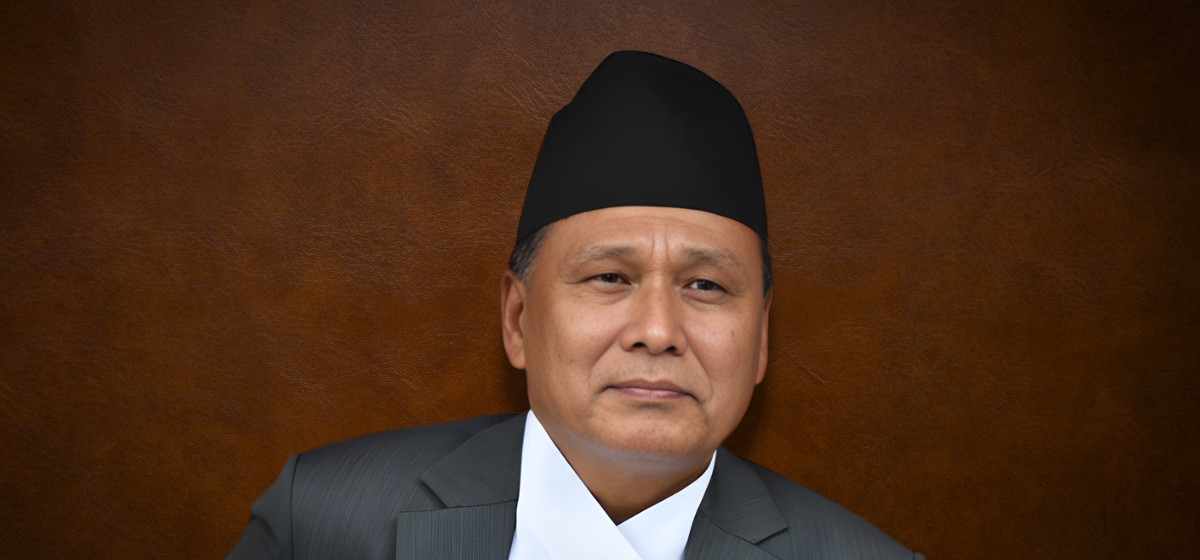
Ghising has not formally joined the party, and is said to announce participation only after announcing his candidacy.
The party’s manifesto proposes the direct appointment of administrative experts from outside the civil service to lead ministries. “A certain percentage of administrative leadership positions in ministries should be filled by experts from outside the civil service,” read the manifesto, as presented by party leader Reema Bishwokarma. UNP argues that bringing in external specialists is essential to break bureaucratic stagnation and strengthen administrative efficiency.
UNP also advocates immediate dissolution of politically appointed positions whenever a new government assumes office, allowing incoming administrations to replace previous appointments if they choose.
The manifesto further calls for stronger legal and institutional frameworks to improve coordination among state bodies and for policies aimed at making the economy dynamic, self-reliant, and aligned with integrated utilization of natural resources.
The party emphasizes effective implementation of federal governance structures, restructuring public institutions, and ensuring that private sector services are high-quality and competitive.
Speaking at the event, Ghising criticised old leaders of political parties. “You can’t run a country by handing it to someone who is 70 or 80. Yes, they have experience — but their hands don’t move, their legs don’t move, and even their mind doesn’t move,” he said.
“At the same time, a 20-year-old has energy but lacks the experience needed for governance. We need energetic leaders who can strengthen implementation.”
He also emphasized the need for merit-based appointments over symbolic inclusivity. “Without valuing competence, the country cannot move forward. What we need today is inclusive meritocracy,” he said
Highlighting frustrations from his brief ministerial tenure, Ghising said outdated laws obstruct development. “It takes five years just to cut a single tree; contractors then drag projects for 15 years. Unless we scrap old, anti-development laws and introduce a modern ‘Development Act,’ this country will not progress.”
Adding to the event’s prominence, former Rastriya Swatantra Party leader Sumana Shrestha made a surprise appearance. While not formally affiliated with UNP, she praised the party’s focus on youth-driven reform and anti-corruption initiatives. “Youths did on September 8 and 9 what was only possible in thoughts, not action,” Shrestha said. She urged all alternative and progressive political forces to unite, warning that failure to do so would allow established parties to continue undermining justice for the younger generation.








-1200x560-1784036910.webp)


