Born and raised in the foothills of the Himalayas, I first heard about Switzerland and the Alps from my geography teacher, Sharan Hari Shrestha, at J. P. High School. My interest deepened when he described Nepal as the Switzerland of Asia.
With that interest, I visited Switzerland many times on personal and professional trips. However, arriving in Geneva in 1996 as Nepal’s Acting Permanent Representative (PR) to the United Nations and other international organizations, instead of New York, was unexpected. Subsequently, I served as PR to the UN and WTO, as well as Nepal’s first resident ambassador to Switzerland. After my official term ended, I returned for another four years as a Visiting Professor at the Geneva School of Diplomacy and International Relations, a Visiting Fellow at the Graduate Institute of International Studies, and a fellow at the Geneva Centre for Security Policy.
With this long experience, I am naturally happy that Nepal and Switzerland are celebrating 70 years of diplomatic relations this year, culminating in the visit of the President of the Swiss National Council (Parliament). My diplomatic mountain-climbing expedition here brings back many memories. The Swiss President’s visit to Nepal in 1997 is one of them.
Himalayas to the Alps
We were almost at the main exit of the long hallway of Palais Fédéral, the Parliament building in the centre of the Swiss capital, Bern. Suddenly, I heard someone calling, “Monsieur L’ambassadeur, attendez, s’il vous plaît... Mr Ambassador, please wait.” I turned and saw the gentleman who had ushered us into the Presidential Chamber running towards us. When he reached us, he said, “The President wants you back.”
A little startled, we walked back. Before we could say anything, President Arnold Koller pointed towards the open window and said in an amicable tone, “I forgot to show you our most beautiful mountain, Jungfrau. Our mountains are not as tall as yours, but they are beautiful. I am looking forward to seeing your Himalayas, and I wanted you to have a glimpse of our Alps.”
Groundbreaking: 'Controlled' quakes triggered under Swiss Alps

The President had already told us that he had left an important parliamentary debate to meet us. So, without further delay, I said, “Mr President, we are deeply touched by your gesture of friendship and enchanted by the beautiful Jungfrau. Nepal and Switzerland are on different continents, but the mountains add to our sense of closeness. Nepal is greatly looking forward to your visit, which will further deepen our relationship.”
Indeed, that visit was a milestone in many ways.
The establishment of the first resident Nepali Embassy in Geneva and the appointment of a Swiss ambassador resident in Kathmandu soon followed.
Strengthening the partnership through bilateral and multilateral diplomacy: Beyond bilateral issues, Switzerland’s candidacy for a position on the UN Human Rights Commission was one of the topics of discussion during the tea reception following my credentials presentation ceremony. Walter Fust, Director General of Swiss Development Cooperation (SDC), explained the importance of this appointment for Switzerland during a lunch he hosted in my honour.
Switzerland’s UN membership: Geneva, a global centre for international treaties and conventions and home to the League of Nations, as well as many UN and other international organizations, is well known. However, the Swiss government's proposal to join the UN had been rejected by the public in two previous referendums. A third referendum was due soon. The appointment of a Swiss national would clearly help create favourable public opinion about the UN. However, many other governments were also lobbying for their nationals. Finally, in the interest of Nepal-Switzerland friendship and, more importantly, to facilitate Switzerland’s entry into the UN and thereby strengthen the multilateral system, I proposed the candidates recommended by the US (Brazil), India, Germany and Switzerland. Members of my Executive Committee unanimously supported the proposal.
There is another anecdote about Swiss membership of the UN. After all the formalities had been completed, a UN official said that the Swiss flag did not conform to the standard shape and size of the flags of UN member states. Then someone pointed out, “What about Nepal’s flag?” Everyone cheered, welcoming Switzerland as a member of the UN on September 10, 2002.
Nepal’s accession to the WTO: Swiss Ambassador Pierre Louis Girard’s chairmanship of the Working Party greatly facilitated the remaining negotiations, ultimately making Nepal the first least developed country (LDC) to join the WTO.
The Swiss experience: An ambassador’s role is to articulate the foreign policy priorities of his or her government as effectively as possible. However, utilising the knowledge and experience gained abroad for the development of one’s own country is even more vital. Nepal, my motherland, and Switzerland, where I served, are both lands of immense natural beauty and hardworking people, landlocked between large neighbours. In a way, Mother Nature has been more generous to Nepal. Despite its natural beauty, why is Nepal in its present situation while Switzerland has become a garden of peace and prosperity? This question had been on my mind for a long time, but my search for answers became more intense during my stay there and even more so after my return home.
History and geography partly explain why societies with similar physical features achieve different levels of development. Today, access to knowledge allows societies to learn and leapfrog, avoiding many of the problems faced by others. If societies can learn lessons from one another, the Swiss experience is particularly relevant to Nepal. I have spoken and written widely on this subject (Managing Conflict: Nepal Could Learn from the Swiss Experience; New Nepal: Singapore, Switzerland or...?; Lessons from the Alps: Why Is Nepal in This Mess While Switzerland Is So Peaceful and Prosperous?; Nepal-Switzerland Relations: Beyond Aid, Trade and Tourism...).
Nepal was the first recipient of Swiss development cooperation. Since then, Swiss support has been crucial in resettling Tibetan refugees, promoting woollen carpets as one of Nepal’s main exports, developing cheese-making and implementing hill development projects. The construction of 10,000 suspension bridges, connecting people from one hill to another and across rivers, has been the flagship of Swiss-Nepal cooperation. These bridges have improved access to healthcare, education and communities in remote parts of Nepal.
People-to-people relations: Tony Hagen, a Swiss geologist, and his family best epitomise the people-centric Swiss-Nepal friendship. His book, Nepal: The Kingdom in the Himalayas, published in 1961 in English, German and French, introduced Nepal to the outside world. He and his family dedicated themselves to the study and development of Nepal. Reflecting his love for Nepal, a few days after his wife, who had been suffering from a prolonged illness, passed away, Tony called me to say, “For the last time, I am leaving for Nepal next week.” Two days later, I was informed that he, too, had passed away.
Many Swiss experts who worked in Nepal returned home with Nepali life partners. These wonderful “Daughters of Nepal” strengthen the friendship between their maiti and the homes they have married into. Switzerland is a favourite destination for Nepali students studying hospitality management. The contributions of Swiss-trained entrepreneurs in the technical, pharmaceutical and hospitality sectors are noteworthy. During my travels around Switzerland, there was hardly a household without someone who had visited Nepal.
Even after my long journey through life, Prof. Saran Hari’s words still echo. In a different way, Nepal could become the Switzerland of Asia as the trans-Himalayan region turns into a new epicentre of the emerging global paradigm shift, just as the Alps did during the World Wars and the Cold War. Annette Baker Fox explains in her book The Power of Small States: Diplomacy in World War II how Switzerland, a small country surrounded by major powers, transformed its geography from a source of “revenge” into a “reward”. Can Nepal manage its politics, economy, diplomacy and security with the same wisdom, courage and skill that the Swiss have demonstrated?
Replicating the Swiss model is impractical. However, the Swiss experience offers important lessons for building an independent, peaceful, prosperous and democratic society while maintaining good relations with neighbours, even in difficult times. This, however, will require wise and courageous leadership, learning from our own history and the experiences of others, forging friendships with all, but remaining ultimately loyal to our own nation and people.
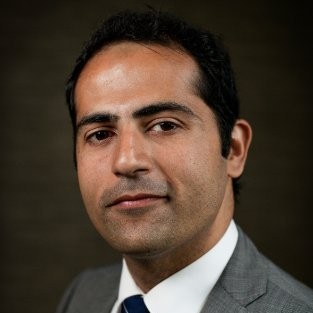
The author now writes and lectures on transformative international relations.