KATHMANDU, Dec 3: Legal experts have told Nepali Congress (NC) general secretaries Gagan Thapa and Bishwa Prakash Sharma that there is no legal provision to nullify the demand for a special general convention once it has been formally sought by a majority of general convention delegates.
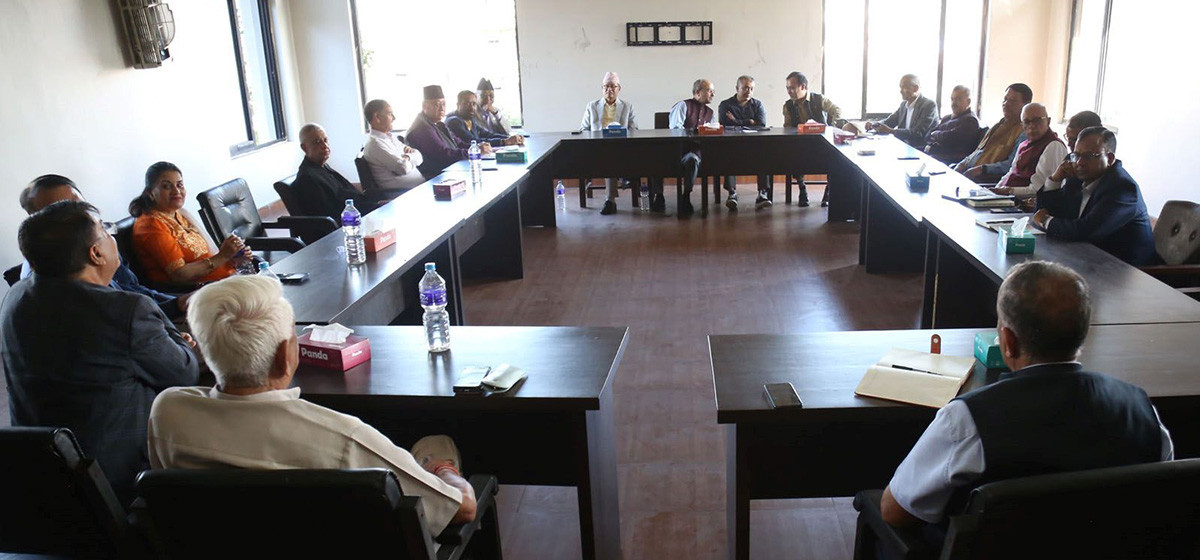
During a consultation meeting held on Saturday, legal experts stressed that ignoring such a demand would violate both the party statute and prevailing laws governing political parties. They warned that failure to act could amount to non-compliance with the Constitution and invite legal consequences.
Govt completes adjustment of 56 secretaries, 662 joint secretar...

Citing Article 17(2) of the NC statute, the experts said the procedure for convening a special convention is clearly defined, and the reasons and agenda mentioned in the delegates’ application automatically become the agenda for the convention. They said the party’s Central Working Committee (CWC) and the central office are obliged to convene the convention once the required threshold is met.
If the CWC fails to act, the experts noted two alternatives: the central office, through the general secretaries, can convene the convention, or the delegates who demanded it can do so themselves. Any decision endorsed by 51 percent of delegates at such a convention would be legally valid, they added.
Echoing the legal position, Thapa and Sharma reiterated that the demand for a special convention will not be ignored under any circumstances. They pointed out that around 54 percent of general convention delegates had submitted a formal request following the September 8 and 9 protests, surpassing the 40 percent threshold mandated by the party statute.
“According to party rules, a special convention becomes mandatory once the required number of delegates sign in favor. We remain committed to ensuring that this process is respected,” the general secretaries said, adding that holding the convention ahead of the upcoming elections is crucial to revitalize the party with renewed policies and direction.
They emphasized that issue of who will lead the party are secondary to safeguarding the party’s democratic process, and institutional integrity.


-1780813474.webp)