

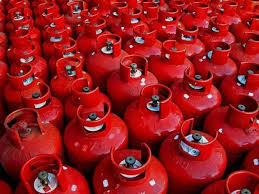
KATHMANDU, Jan 29: Nepal Oil Corporation (NOC) has said there is no shortfall in the supply of cooking gas, even as Liquefied Petroleum Gas (LPG) bottlers claim a shortage in the Kathmandu Valley market.
According to LPG bottlers, the shortage has emerged due to the ongoing cold season and problems at Indian Oil Corporation (IOC) refineries. Shiva Ghimire, former president of the Nepal LP Gas Industry Association, told Republica that a shortage of gas bullets used for transportation has affected domestic supply. “In addition, the nearest IOC depot in Barauni has been supplying relatively lower volumes of LPG over the past few days,” he said.
However, the NOC said LPG is being imported in adequate quantities and there is no shortage in the domestic market. According to NOC Spokesperson Manoj Thakur, a total of 140 gas bullets were loaded on Tuesday alone, while the figure stood at 100 bullets on Wednesday. “This quantity is higher than the normal seasonal average,” he said.
No disruption in LPG supply from India: NOC

According to the NOC, demand for cooking gas normally stands at 70–75 gas bullets, or around 1,260 tonnes, per day. “Considering the winter season and upcoming elections, the NOC has increased supply at present,” Thakur added.
The NOC issues purchase delivery orders to gas importers, who collect LPG from IOC depots in Barauni, Mathura and Haldia in India. The state-owned oil monopoly said it has issued 10 percent more purchase delivery orders to ensure smooth supply.
Thakur said there may be isolated cases of limited supply at individual bottling plants due to technical reasons. Delays in gas cylinder circulation and distribution issues at specific companies may have caused supply disruptions in some areas, he added.
On the other hand, LPG entrepreneur Ghimire said consumption of cooking gas rises by about 15 percent during the winter season. “At least 50,000 tonnes of LPG need to be imported to meet demand, but imports are barely 40,000 tonnes due to delays by the Indian supplier,” he said.
A gas dealer in Hattigauda said customers currently have to wait an average of four to five days to receive cooking gas.
Records at the NOC show that 38,000 tonnes of LPG were imported in the first 25 days of January, as of last Sunday. Imports stood at 49,184 tonnes in December and 46,346 tonnes in November.
In the last Fiscal Year (FY), Nepal imported a total of 553,254 tonnes of LPG, averaging 46,104 tonnes per month—an increase of 5.53 percent compared to the monthly average in FY 2023/24.





