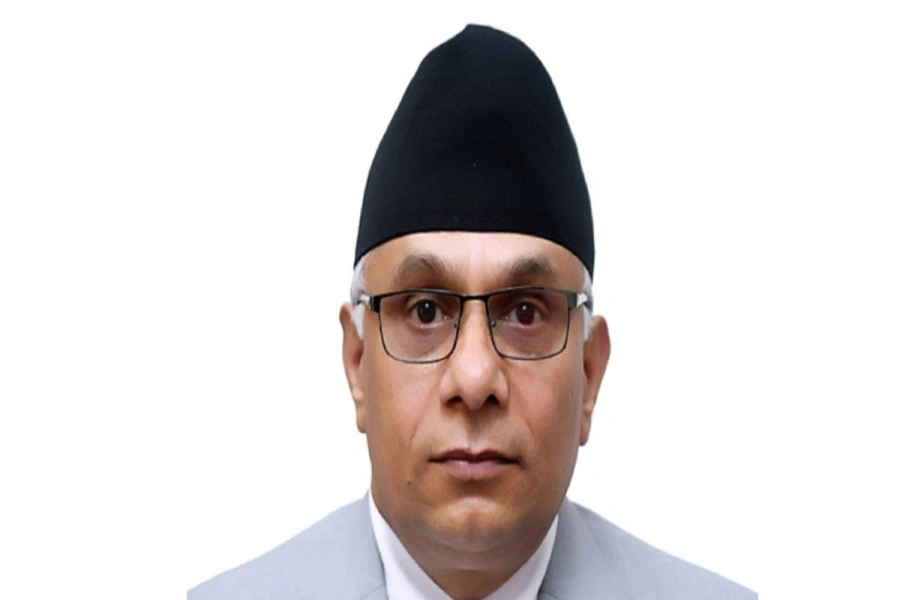
President Ramchandra Paudel has issued an ordinance that removed 1,594 public officials at once—one of the largest purges in Nepal’s recent administrative history. The mass dismissal was carried out under the “Ordinance on Special Provisions for the Removal of Public Office Bearers, 2083,” following a decision by the Council of Ministers to submit it to the President. The ordinance has removed office bearers appointed by past governments, affecting a wide range of public institutions. As a result, many positions have been left vacant due to the sudden departures. Prime Minister Balen Shah’s government has stated that the move aims to address gaps in administrative performance, streamline governance, and improve efficiency in public institutions long burdened by political appointments. Organizations overseeing aviation and media sectors, as well as universities, hospitals, and infrastructure projects, have seen their office bearers removed. Institutions such as Nepal Airlines Corporation, the Press Council, telecom bodies, and several state-owned companies are now without top executives and board directors. Universities have also experienced multiple departures, while health bodies, engineering groups, financial watchdogs, and cultural organizations have seen similar removals. The government claims this is a long-overdue effort to depoliticize public institutions.
Women who drive

Nearly every government has made similar claims, yet often filled public institutions with loyal supporters instead of qualified experts. What is remarkable this time is the scale and speed of the removals, which have raised public expectations. Supporters argue that political appointments weaken institutions and lead to decisions that favor party interests over the public good. They believe that appointing qualified experts instead of politically connected individuals could improve institutional performance. However, maintaining stability after such a large-scale removal presents significant challenges. Institutions like universities, health councils, and regulatory bodies rely on experienced individuals with institutional knowledge built over years. Removing a large number of leaders at once can slow decision-making, disrupt collaboration, and undermine policy continuity. Even when new appointees arrive, building trust and cohesion takes time. Another concern lies in the process itself. Ordinances are typically intended for urgent and exceptional situations, not for sweeping structural changes to public institutions. The government already holds sufficient power to pass laws through a two-thirds majority in Parliament. Bypassing this process may give the impression of opting for expediency over careful, deliberative reform.
There is also a risk that one form of political favoritism could simply be replaced by another. Removing politically appointed individuals does not guarantee that their replacements will be neutral or merit-based. Without a transparent and accountable selection process, the same issues may re-emerge under different leadership. That said, ignoring the problem is not an option. Nepal’s public institutions have long suffered from entrenched favoritism. The real question is not whether reform is necessary, but how it should be carried out. While the ordinance removes existing appointees and seeks to fill vacancies quickly, its success will ultimately depend on who is appointed next. It could either strengthen institutions by bringing in qualified and experienced professionals or perpetuate the same cycle of political patronage under new faces.


-1200x560-1774606010.webp)