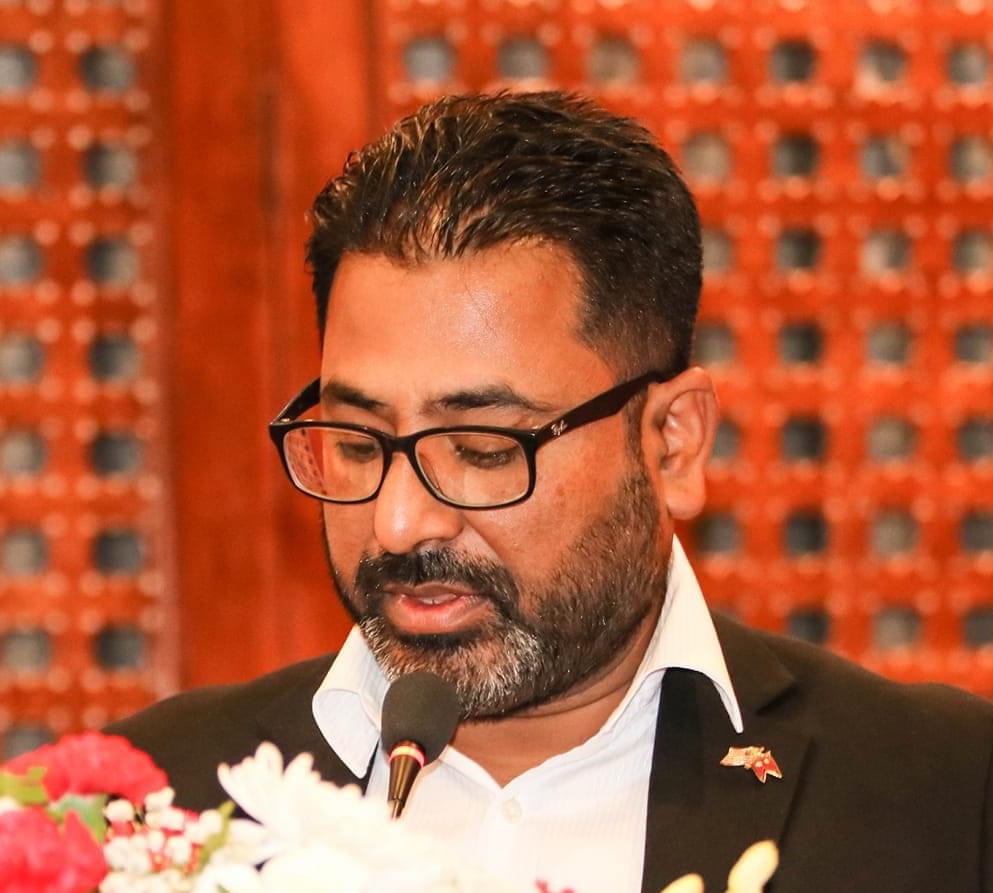
Balen Shah’s unexpected rise in Nepal’s recent midterm elections has stunned political analysts and party elites alike. One of the most striking outcomes was the erosion of the left’s dominance in its traditional strongholds, leaving only a handful of leftist representatives in Parliament and filling the new legislature with largely fresh faces. Elections are meant to bring change; people expect something new and better. When Nepal’s established political parties failed to deliver, the electorate reacted strongly.
Why voters chose to act in such an unexpected manner may well become a subject of social and political research. One explanation, however, is clear: the old parties failed to offer what many voters were seeking—good governance. Many traditional parties are still led by figures out of step with today’s connected youth and reluctant to adapt to the electorate’s evolving expectations.
Balen Shah’s rise had already been signaled in the previous election, when he first came to power, and soon after, the Rastriya Swatantra Party (RSP) emerged as a new force in Parliament. Traditional parties failed to recognize the aspirations of the youth vote. As mayor of Kathmandu, Balen faced numerous obstacles from the ruling establishment, with the political elite often attempting to hinder his work rather than cooperating with an elected mayor. Despite bureaucratic resistance, he demonstrated remarkable resilience and determination. The September revolt shifted his focus from municipal figure to a national symbol of defiance. Choosing to confront what he saw as the main sources of political stagnation, he secured a broader mandate. In the process, he not only left traditional parties far behind in parliamentary numbers but also “clean-bowled” K. P. Sharma Oli on his own pitch. Rather than seeking a safe constituency, Balen deliberately chose the toughest contest, aiming directly at the strongest opponent—and striking the target with precision. This episode shows that Balen Shah is fundamentally different from the kinds of politicians Nepal had seen before.
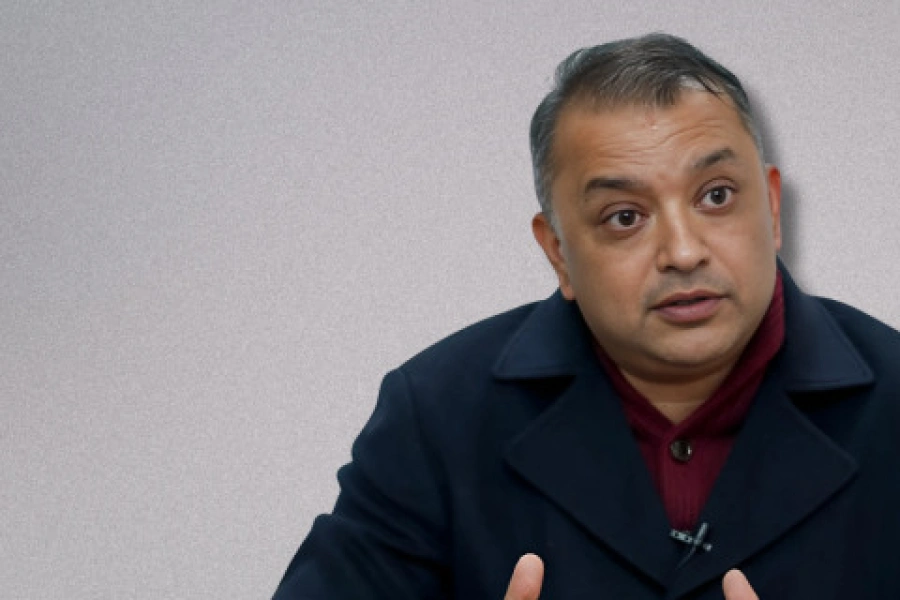
Gagan Thapa urges PM Balen Shah to present evidence-based case...
Many members of the Nepali diaspora also strongly supported calls for change. Having lived and worked in countries with stronger institutions and more efficient governance, they are keenly aware of how nations advance economically and administratively. This exposure contrasts with the experience of many leaders in traditional parties who, despite spending much of their lives struggling for democracy, have had limited opportunities for formal education and policy training. RSP fielded many young candidates, appealing to voters who were eager for fresh perspectives—even though many of these candidates lacked extensive political experience.
Unlike his tenure as mayor, Balen’s second innings will now unfold on a national stage, where he commands a single-party government. His “variations” will be tested not through tweets, but in managing his own party, navigating international relations with India and China, and delivering on the high public expectations for economic reform that the RSP has promised. Balen does not appear inclined to rely on deceptive deliveries like googlies or doosras; he favors straightforward balls, occasionally sending down a yorker when the moment demands—often via his tweets. Yet politics, much like cricket, often requires the art of deception, and when straightforward deliveries falter, a well-timed trick can make all the difference. The question is not about his pace; the real test lies in whether he can prevail by skillfully developing and deploying his variations in this second innings.
This election also revealed other important dynamics in Nepalese politics. The rise of Gagan Thapa cannot be ignored. Gagan has been active in politics for many years, often placed in difficult positions—much like a fielder stationed at third man or mid-off or mid-on, where there is little opportunity to change the course of the game. After the September uprising, Gagan pushed back against the old stalwarts in his party, striving to steer the Nepali Congress (NC) in a new direction. Though the effort may have come too late to sway many undecided voters, it largely prevented a pre-poll alliance between NC and the CPN-UML, which could have impacted the people’s verdict.
The election also saw the UML’s vote share plummet from about 31% in the previous election to around 13%, a historic low that pushed the party to a distant third place. While UML supporters continued to rally behind Oli, Gagan’s growing prominence reassured many voters and helped stabilize NC’s vote base—an influence that may also have contributed to UML’s decline. In contemporary Nepali politics, Gagan remains a seasoned and well-informed leader with a strong grasp of political, economic, international, and domestic issues. Yet even under his influence, NC failed to perform strongly, and Gagan himself did not secure a seat—a setback largely attributable to decisions of the party’s previous leadership. For Gagan, this moment resembles the start of a second innings with the new ball—as a captain outside the pavilion—where he must raise critical political issues from beyond the legislature, reconnect with the grassroots, and help rebuild his party. Meanwhile, UML and other traditional parties appear content even with their own setbacks, leaving little to comment on.
While Balen’s rise challenges traditional power from the outside, Gagan works from within to stabilize the system. Their second innings—different in style and scope—may signal a new phase in which innovation, vision, and decisive leadership begin to redefine Nepal’s political landscape. Balen appears strategic and willing to take bold steps, and many believe he can deliver. Yet leadership is not only about execution. For Gagan, the challenge is to ensure that the NC does not drift into the kind of long-term decline experienced by the Indian National Congress. Both leaders are well-educated, which adds credibility and insight to their roles.
Given that RSP, like the Nepali Congress, occupies the political center, any misstep could hand the advantage back to parties unwilling to adapt. Together, Balen and Gagan represent complementary forces in Nepal’s political transition, combining the energy of external disruption with the discipline of internal reform. Their paths—distinct yet intertwined—may well define the next chapter of Nepali politics. With Balen’s bold strikes and Gagan’s steady defense, the people are eager to watch Nepal’s political pitch, as a well-played game begins a new innings.
( The author is an associate professor at Tennessee State University, Nashville, Tennessee, USA)