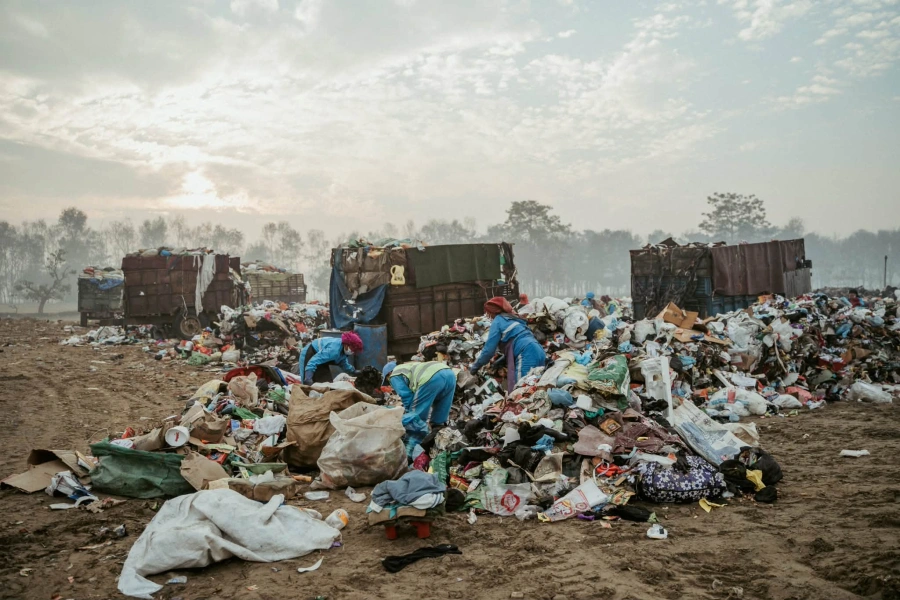
DHANGADHI, Feb 7: For many major cities in Nepal, managing daily waste remains a persistent challenge. Billions of rupees are spent on collection and disposal, yet results are often limited. In Dhangadhi Sub-Metropolitan City (DSMC), however, waste has shifted from being a liability to becoming a source of income, employment, and a driver of sustainable development.
The city now earns over Rs 7.2 million annually from waste management, while generating local employment and mitigating environmental hazards, public health risks, and sanitation challenges. This transformation has been made possible through an integrated waste processing centre, designed to manage municipal solid waste systematically and with a value-driven approach.
Until a few years ago, DSMC reportedly spent around Rs 50 million annually on waste management, often dumping garbage indiscriminately in nearby forest areas, municipal officials say. Today, over 90% of waste is segregated at the source, and the city is moving toward a circular economy model where waste streams are converted into commercially viable products.
Healthcare waste, which previously posed serious environmental and public health risks, is now being processed at a dedicated medical waste facility developed with technical support from UNDP and awaiting formal inauguration. The facility aims to safely manage hospital and clinic waste while generating revenue through recycling initiatives.
Green Transition and Economic Opportunities
Since April 2025, DSMC and UNDP Nepal have co-designed interventions under the Green Transition Portfolio, promoting sustainability, inclusivity, and community-driven growth. The portfolio aims to create three system-wide effects: inclusive green opportunities, sustainability and community pride, and enhanced institutional capacity.
The art of creative reuse : Upcycling waste and upscaling the e...
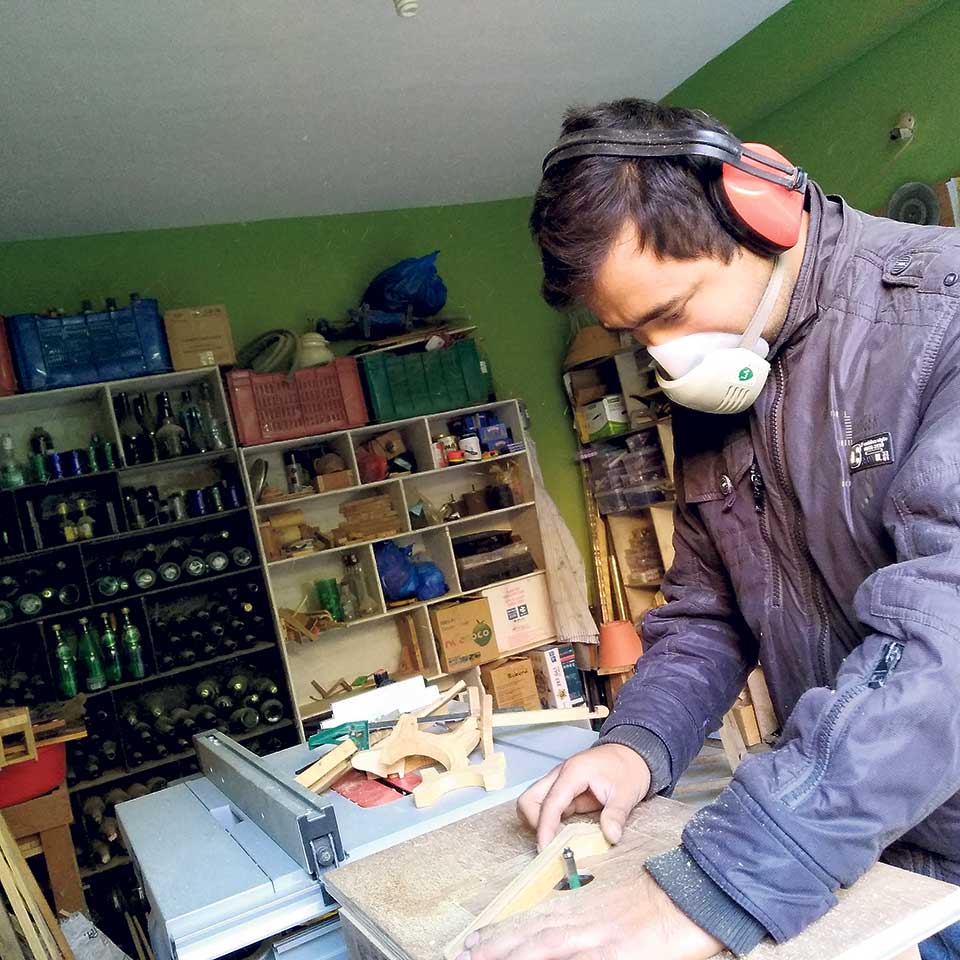
Integrating plastic waste management into the portfolio has created green jobs, encouraged private sector participation, and generated Rs 7.2 million for the city this year, with a projected 10% annual increase, according to Ashok Awasthi, Environment Officer at DSMC.
The city is adopting circular economy principles by converting waste into economic resources while exploring nature-based solutions for infrastructure and resilience. High-value plastic recovery initiatives have been aligned with national plastic management efforts, supported by machinery and infrastructure upgrades to process plastics into blocks, pellets, chips, and moulded items like chairs and tables.
Public-Private Partnership Driving Efficiency
Originally managed solely by the municipality, the waste facility now operates under a Public-Private Partnership (PPP) model run by Nanda Devi Sewa Kendra (NDSC). The municipality provides land and infrastructure, while the private partner handles operations, funded through household tariffs and sales of recyclable materials.
Household tariffs range from Rs 70 to Rs 100 per month, depending on collection frequency, with discounts for students, while commercial and institutional users pay based on volume and waste type. Non-biodegradable waste is processed at the facility, while biodegradable waste is sent to the city’s biogas plant. Micro-segregation at the facility ensures plastics, aluminium, bottles, textiles, and rubber are sorted before being compressed or sold to third-party buyers. Biogas generated from organic waste may eventually be converted into CNG for vehicles, pending regulatory approvals.
Local Employment and Women Empowerment
The initiative has created 145 local jobs, with over half of workers being women engaged in segregation and processing, earning daily wages of Rs 500–600. Hasta Bahadur Shah, who runs NDSC, said locals are given priority for employment, with 21 tractors collecting waste from nine wards.
“We are happy to have this employment in our own neighbourhood, since opportunities are limited. This has become a source of livelihood,” said Chanda Shahi, a worker at the facility. Janaki Chaudhary, another local worker, added, “The employment has not only helped us support our family, but also helped us become self-dependent financially.”
Promoting Behavioural Change
DSMC and UNDP have also prioritized behavioural change communication, educating residents on proper segregation and disposal. Mayor Gopal Hamal said, “This effort has become a movement in Dhangadhi, turning waste management from a municipal service into a shared civic responsibility.”
UNDP Resident Representative Kyoko Yokosuka described the portfolio as “a practical model for aligning livelihoods, environmental sustainability and institutional resilience. It’s just the beginning, but this is a strong start with real potential to improve people’s lives and the city’s environmental footprint.”
A Model for a Greener Nepal
Dhangadhi’s experience shows that strategic waste management can drive economic growth, social empowerment, and environmental sustainability. By combining source segregation, circular economy principles, PPP models, and community engagement, the city has turned waste into revenue, green jobs, and civic pride.
With continued investment, technological upgrades, and institutional support, this model demonstrates how Nepal’s municipalities can convert everyday challenges into sustainable, inclusive, and resilient solutions for the future.