

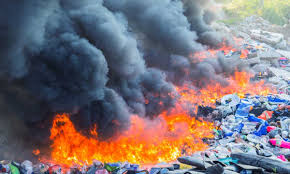
KATHMANDU, Nov 9: Kathmandu Metropolitan City (KMC) has announced a prohibition on the open burning of waste, plastic, and plastic-based materials within the metropolitan area, in an effort to mitigate environmental degradation and safeguard public health from the adverse impacts of air pollution.
The Environment Management Department stated that with the onset of colder months, the tendency to burn household waste and plastics in open spaces has significantly increased, prompting the enforcement of this ban. During winter, air pollution levels in the Kathmandu Valley often reach alarming heights, and open burning of such materials remains a major contributor.
Resolving Kathmandu Valley’s solid waste problems

Head of the Environment Management Department, Sarita Rai, said the decision was taken to minimize the harmful effects of air pollution on both the environment and public health. “The measure aims to reduce the adverse consequences of deteriorating air quality on human health and the city’s ecosystem,” she noted.
Air pollution poses severe risks to children, the elderly, and individuals suffering from respiratory illnesses such as asthma and bronchitis, as well as those with heart conditions or chronic diseases. To protect them—and the wider urban population—Rai stressed the importance of preventing the release of smoke and toxic emissions caused by burning refuse in open areas.
She further warned that anyone found violating the ban would face action in accordance with the KMC Environment and Natural Resource Conservation Act 2020, and the Fiscal Act, 2025. Offenders will be fined Rs 10,000 for each violation.
The city’s initiative reflects KMC’s broader commitment to promoting cleaner air, sustainable urban living, and greater environmental responsibility among residents.












-1780813474.webp)


