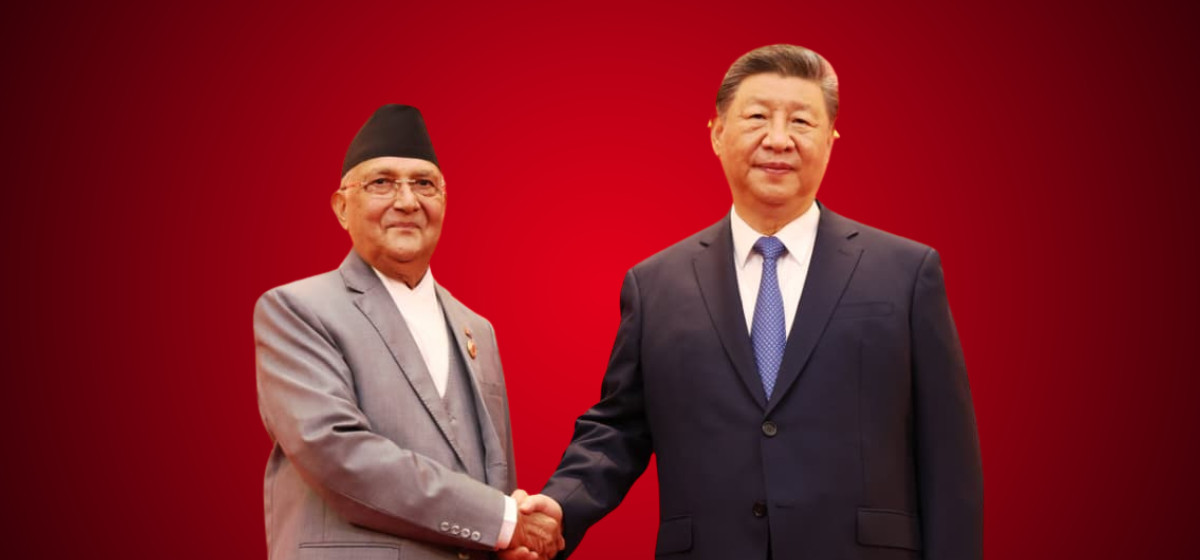
KATHMANDU, Nov 19: The high-level judicial probe commission investigating the suppression, arson and vandalism during the Gen-Z protests is gearing up to summon former Prime Minister KP Sharma Oli and former Home Minister Ramesh Lekhak for statements. The two leaders are being asked to clarify their roles in the September 8 crackdown.
According to sources, the three-member commission led by former judge Gauri Bahadur Karki is preparing to dispatch formal letters summoning the duo. “It may take a few days. We are currently questioning police and civil servants. Once those statements are complete, we will move towards calling them,” a source said. Gen-Z groups have been consistently pushing for action against UML Chair Oli and then-Home Minister Lekhak, prompting the commission to advance the process.
The commission aims to determine whether the use of firearms on September 8—an incident that left 22 dead—was lawful. Repeated public queries from Gen-Z groups on when the top political leaders would be summoned have added pressure. Commission chief Karki had hinted at this move during a recent television interview, and officials have publicly stated that both leaders will be summoned.
Karki-led probe panel: Lekhak ready to cooperate, Oli stands fi...
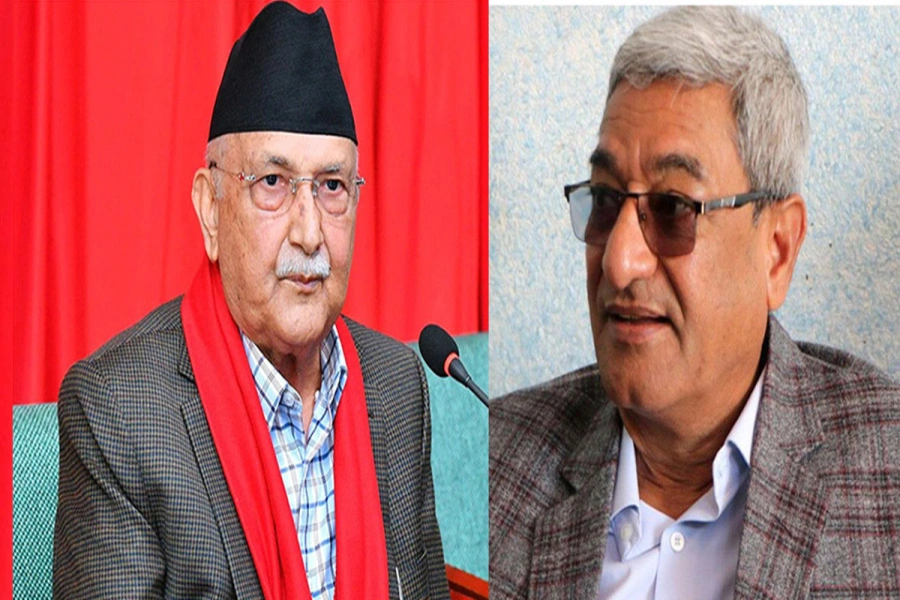
The commission, which began its work on September 25, must submit its report by December 24. Nearing two months into its mandate, officials have already completed a nationwide field inspection and returned to Kathmandu. Statements have been taken from Rastriya Swatantra Party Chair Rabi Lamichhane, Nakkhu jailer Satyaraj Joshi, and two police officers deployed during the protests. However, Oli has publicly declared that he will “not accept” the Karki-led commission, and has since remained under tight security cover from party cadres.
Commission officials say statements will be taken from all individuals suspected of involvement. Member and former AIG Bigyan Raj Sharma confirmed that high-level actors linked to the September 8 and 9 incidents will be called. “We will summon the senior officials after notifying them. The commission is preparing the list,” Sharma said. Both Oli and Lekhak have been restricted from leaving the Kathmandu Valley and must seek government approval for travel. Their passports have also been seized.
Meanwhile, former Home Secretary Gokarna Mani Duwadi—who also serves as Member Secretary of the National Planning Commission—has been granted permission to leave the Valley despite travel restrictions imposed on five individuals. The passports of former NID chief Hut Raj Thapa, Home Secretary Duwadi, and then-Chief District Officer of Kathmandu Chhabi Rijal have also been seized. Duwadi heads the committee tasked with documenting damage from the protests, which the commission said necessitated his travel.
Former IGP Chandra Kuber Khapung has also been barred from leaving the Valley, and his passport has been seized. He faces allegations of non-cooperation as he is accused of failing to provide timely information regarding police deployment during the protests.
Following the excessive use of force on September 8, protesters inside and outside the Valley torched and vandalized public and private properties the next day. Despite this, the commission initially recorded statements only from Nakkhu jailer Joshi and Rabi Lamichhane, who had exited the prison area on September 9 with a letter issued by the jailer. Some critics argue the commission’s early focus centered disproportionately on the September 9 incident.
The commission includes former AIG Bigyan Raj Sharma and legal expert Bishweshwar Prasad Bhandari as members. Formed under the Commission of Inquiry Act, it must deliver its report within three months. Chair Karki has reiterated that those responsible will be identified and action will be recommended within the mandated timeframe.
The protests on September 8 and 9 claimed 76 lives and left more than 2,000 injured. Government structures and private properties across the country were set ablaze or vandalized. The commission is compiling detailed records of the destruction, which will be included in its final report to the government.