Nepal was shaken in early September 2025 by mass protests led by young people, triggered by the sudden banning of major social media platforms. What began as peaceful demonstrations against restrictions on online communication quickly evolved into a broader movement against corruption, nepotism, and weak institutional accountability. The government’s violent response drew global criticism, and the resignation of Prime Minister K.P. Sharma Oli marked a historic moment in Nepal’s turbulent political history.
On September 7, the government suspended 26 widely used services—including Facebook, Instagram, WhatsApp, YouTube, and X (formerly Twitter)—citing a new law requiring digital platforms to register locally and comply with national regulations. Officials argued the move was necessary to safeguard sovereignty, claiming foreign companies were profiting from Nepali users while evading regulation and taxes.
But for Nepal’s youth, the ban was the final straw. Many saw it as political censorship rather than regulation, particularly since young professionals and entrepreneurs relied on these platforms for promotion, advertising, and livelihoods. To them, the timing symbolized deeper problems: corruption within public institutions, elite dominance of politics, and limited opportunities within a struggling democratic system.
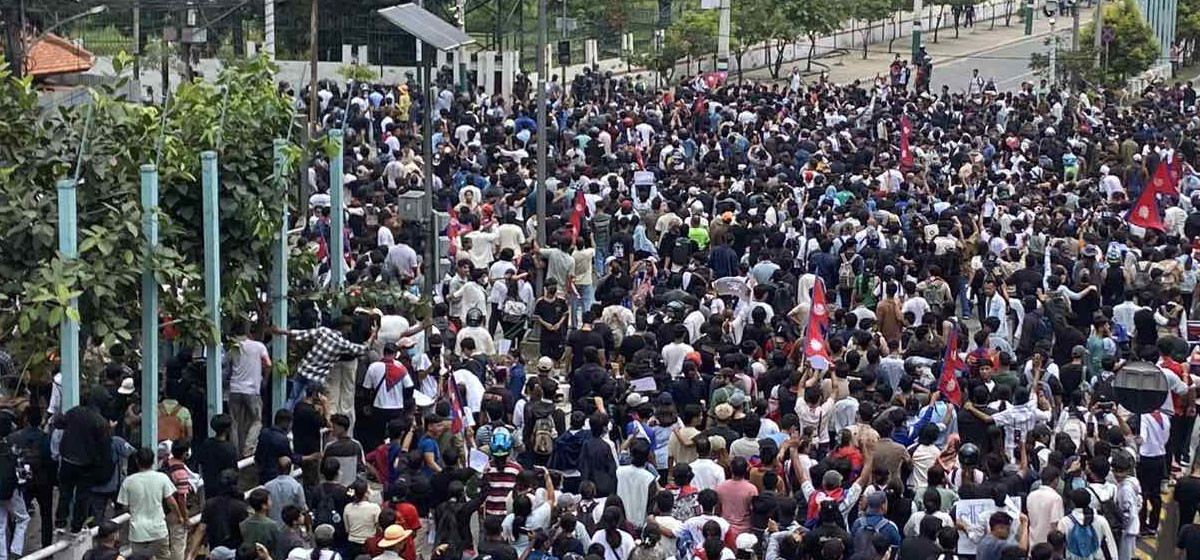
On September 8, the protests gained momentum in Kathmandu, with massive rallies at Maitighar Mandala and outside Parliament in New Baneshwor. Online activists used hashtags like #Nepobaby to condemn political favoritism and the luxurious lifestyles of politicians’ children, widely seen as funded by misuse of public money.
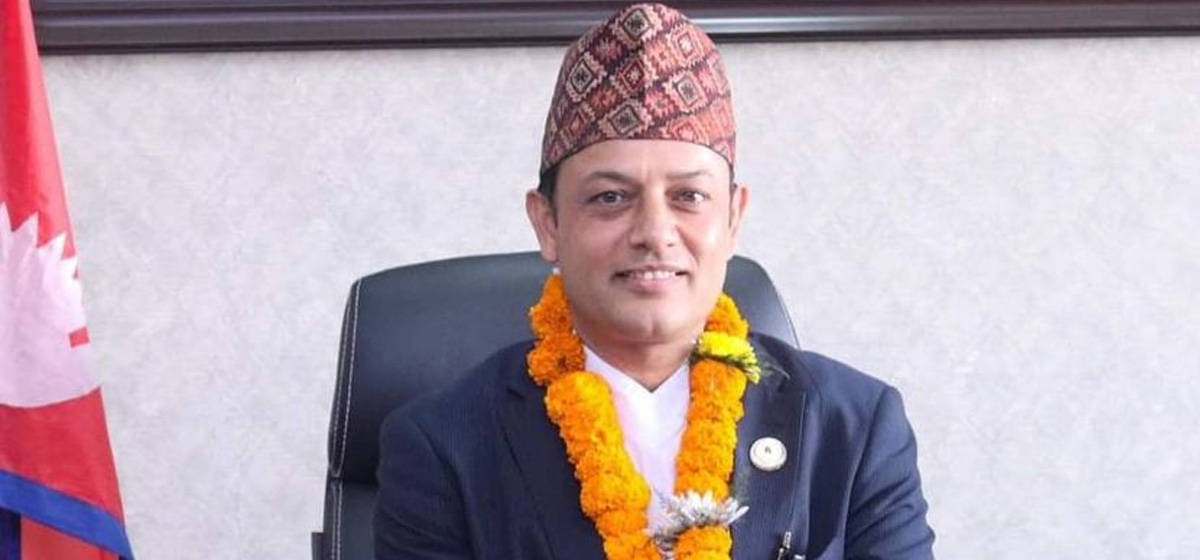
True revolution begins with knowledge: PM Shah
Initially peaceful, the march turned violent after security forces intervened. Accounts differ on what sparked the escalation, but it has been confirmed that Kathmandu CDO Chhabi Rijal, with the approval of then-Home Minister Ramesh Lekhak, authorized the use of lethal force. The decision has been widely condemned, with officials held morally responsible for the brutal deaths of at least 19 students.
Police deployed expired tear gas, water cannons, and rubber bullets—and, according to eyewitnesses and Human Rights Watch, live ammunition. Many victims suffered fatal chest and head injuries. Reports also alleged that police stormed hospitals and attacked the injured, further fueling public outrage.
The growing death toll and mounting anger forced Prime Minister Oli to resign on September 9 under immense pressure from opposition parties, civil society, and international observers. In an attempt to ease tensions, the government lifted the social media ban and announced a 15-day probe committee to investigate the violence. Compensation for victims’ families and medical aid for the injured were also promised.
The government maintains that its actions were grounded in legality and sovereignty, not political suppression. Yet for Gen Z, the protests symbolized decades of pent-up frustration with corruption, nepotism, and exclusion from meaningful decision-making. To them, the ban was merely the spark that ignited a larger movement demanding accountability, transparency, and representation in shaping Nepal’s future. As one pressing question emerges: how sovereign can a state truly be if it fails to be transparent, accountable, and forward-looking?
While the movement began as a spontaneous youth uprising, established political parties soon tried to capitalize on it for their own agendas. Opposition forces painted it as proof of government collapse, while ruling party factions accused each other of inciting violence.
Amid the chaos, opportunists hijacked the protests. Key administrative buildings were set on fire, including offices containing vital state records. Over 10,000 prisoners escaped after jails were stormed, spreading fear among citizens as dangerous criminals roamed free. For many, this undermined the original goals of the protests and risked rendering the sacrifice of innocent students meaningless.
Prime Minister Oli’s resignation has left a political vacuum. Constitutionally, the President should have called parties to form a government, but this has yet to happen—exposing weaknesses in Nepal’s governance framework. To avoid further instability, dialogue between Gen Z representatives and legitimate state authorities is essential. Both sides must reach a minimum understanding on state restructuring, electoral reform, and institutional accountability.
The protests demonstrated the power of Nepal’s youth to bring about change. But sustaining that change will require discipline, foresight, and constructive negotiation to ensure that opportunists and external actors do not hijack the movement’s spirit. Only then can the sacrifices of September be honored and transformed into lasting progress for the nation.
The author is grade X student at St. Xavier's School, Godavari, Lalitpur