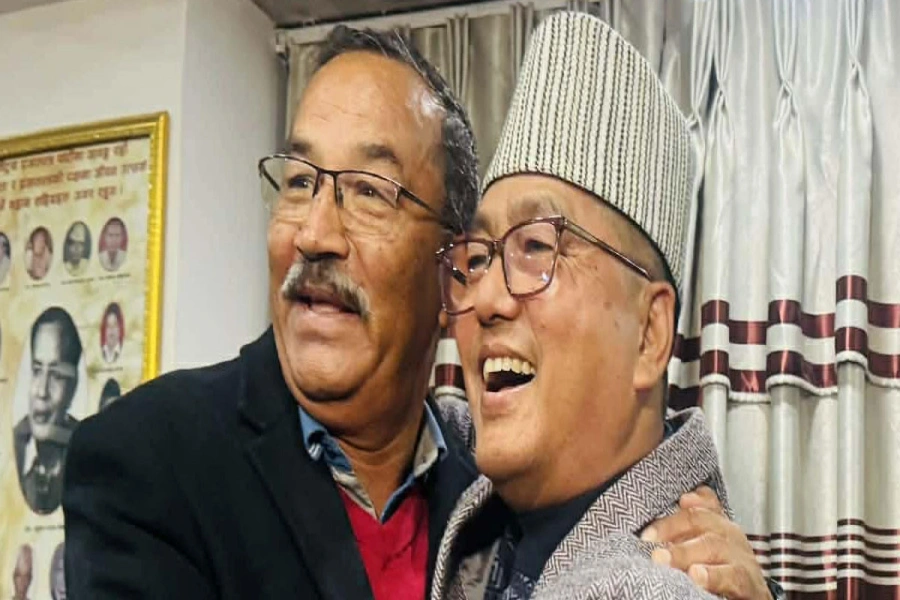
Kamal Thapa-led RPP Nepal is reuniting with the Rajendra Lingden-headed Rastriya Prajatantra Party (RPP), with the formal merger set for December 31. The reunion reflects a familiar pattern in Nepali politics: parties split, leaders go their separate ways, yet many eventually return to their original fold. Thapa’s move is a classic example. Known as a strong-willed politician who likes to maintain control and work closely with those in power, Thapa led the RPP as a conservative, pro-royalist figure. However, he suffered a significant blow in December 2021 when Rajendra Lingden defeated him for party leadership. Feeling personally embarrassed, Thapa left the party, blaming former King Gyanendra Shah for his defeat. After the split, he revived RPP Nepal and experimented with new approaches. In the 2022 elections, he aligned with the UML—a move that left many of his old supporters bewildered and was widely seen as opportunistic. Ultimately, leaving the RPP hurt him more than it helped; his new party lacked visibility, street presence, and influence.
I.O.I Confirmed To Be In Discussions For Reunion

Rajendra Lingden, in contrast, focused on organisation and consolidating the party’s presence in parliament. He is credited with strengthening the RPP’s structure and improving its parliamentary influence. Yet the party has struggled to expand beyond a small base of supporters. The conservative vote remains limited, and internal divisions have weakened it further. Joining forces with Thapa now makes strategic sense, even if it took time to materialise. Nepalese politics has seen similar consolidations before: multiple communist groups merged to form the Nepal Communist Party to create a stronger, unified voice. Separate parties with identical ideologies, symbols, and voter bases rarely succeed.
Even after the merger, however, the RPP may not become as strong as supporters hope. The political landscape has shifted significantly. New voters, particularly Gen Z, are less interested in traditional royalist promises. They expect results and follow leaders they trust. Reintroducing leaders like Thapa may not create a significant impact nationally. While the merger could help the RPP remain relevant, it is unlikely to propel the party to the top tier of national politics. For Thapa, the reunion is a return to his original base, but with diminished influence. For Lingden, it is a strategic move to consolidate the conservative pro-royalist vote ahead of the general elections.