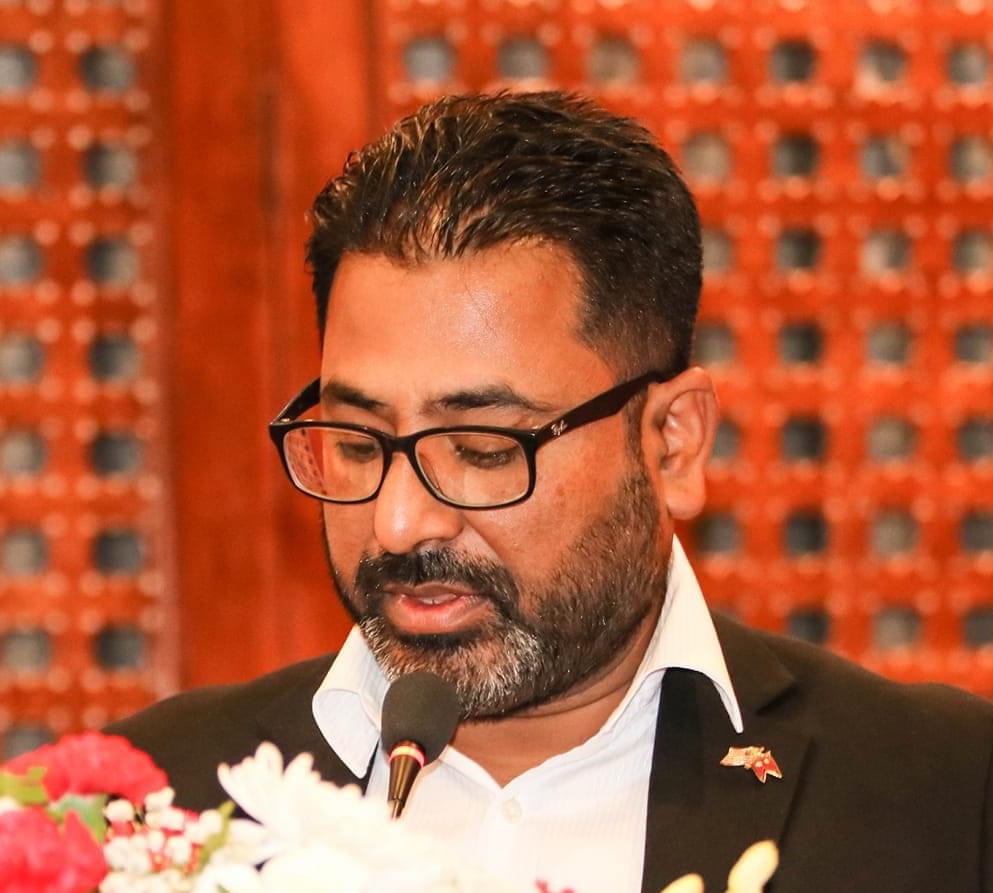
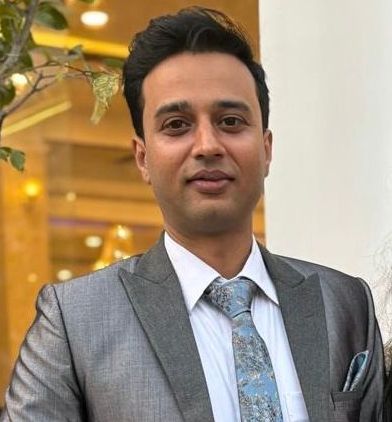
KATHMANDU, Aug 1: Every few weeks, during his first year of higher secondary school, Sambriddha Karki knew what was coming.
Teachers would inspect students’ hair. Those whose hair was considered too long were asked to leave the classroom, their identity cards were taken away and their parents were called until they got a haircut.
“It wasn’t just about cutting my hair,” Karki recalled. “Being pulled out of class in front of everyone was humiliating. It made me feel embarrassed and mentally harassed.”
Frustrated by what he believed was an unfair practice, Karki turned to civic platform SpeakUp Nepal and launched a petition calling for an end to forced haircuts in schools.
32-yrs age limit in student organizations clears way for new le...

Nearly two years later, that campaign has helped bring about a legal change.
The Tenth Amendment to the Education Regulation, 2083, which came into force after its publication in the Nepal Gazette, has clear provisions to protect students from physical and psychological harassment. The new provisions include a ban on schools forcibly cutting children’s hair, publicly humiliating children or denying children sitting exams because of unpaid fees. The amendment gives Karki, who has already graduated from college, a “sense of satisfaction,” he says. “I’ve already graduated, so it’s not going to change my experience,” he said. “But I’m happy knowing that the juniors won’t have to go through what a lot of us went through. “If this makes students feel respected at school then it was worth it.”
According to SpeakUp Nepal, the campaign was never about hairstyles alone. Hair is deeply connected to a person’s identity, culture, beliefs and self-expression, the organization said, and cutting a student’s hair without consent is more than discipline. It says practices like forced haircuts, public humiliation and appearance-based punishment often leave many students feeling embarrassed, anxious and unheard.
The organization said the petition attracted enough support to be formally handed over to education authorities. In the ensuing months the issue was discussed with the Kathmandu Education Office, the Centre for Education and Human Resource Development (CEHRD) and the Ministry of Education, Science and Technology and was included in the latest amendment to the Education Regulations.
 In addition to the much-discussed provision on forced haircuts, the tenth amendment brings a number of changes to the administration and governance of schools. Under the amendment, local governments will be the main regulatory body for the schools, with chief administrative officers responsible for school approvals and operations. It has also fixed the security deposits for new institutional schools at Rs 1 million in case of secondary schools and Rs 500,000 for basic schools. The regulation also increases the bar for headteachers’ qualifications. Secondary school principals are now required to hold a master’s degree while headteachers at the basic level must have at least a bachelor’s degree. Other provisions include the introduction of an electronic pension system for teachers, restrictions on active political party members serving on School Management Committees and revised criteria for school mergers based on student enrollment and geographical accessibility.
Education professionals, meanwhile, say the amendment should not be interpreted as an end to school discipline but rather as a call for more lawful and respectful disciplinary practices.
“Discipline is essential in schools, but it must always be enforced within the boundaries of the law and with respect for students’ rights,” said the principal of a private school in Jadibuti, requesting anonymity. “Schools cannot use practices that violate a student’s dignity. At the same time, discipline itself should not disappear. Just as students are rewarded for good behaviour, there should also be appropriate and lawful consequences for misconduct.”
The Education Regulation, first introduced in 2059 BS, has undergone several revisions over the years to keep pace with changes in Nepal’s education system. Previous amendments redefined school education as standards 1-12, paved the way for Secondary Education Examination (SEE), established school classification standards and expanded duties of School Management Committees. Education stakeholders had been demanding another update to address administrative challenges following Nepal’s transition to federalism as well as school governance, teacher management and student safety issues.