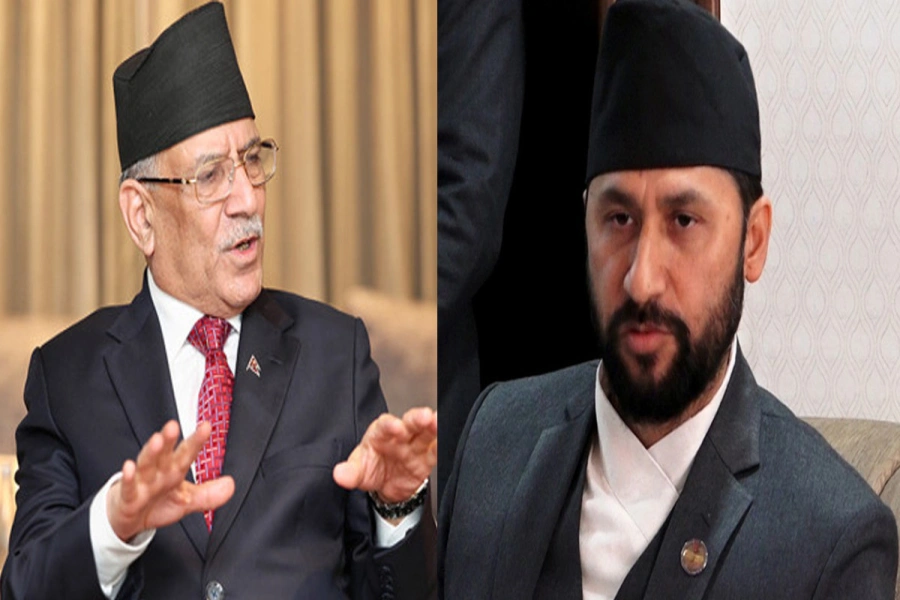
KATHMANDU, March 8: Nepal’s latest parliamentary elections have delivered a striking message from voters: the era of unquestioned dominance by traditional political leaders appears to be fading. While a few familiar faces have managed to secure their seats in the new House of Representatives, several heavyweight leaders from major parties have faced unexpected setbacks.
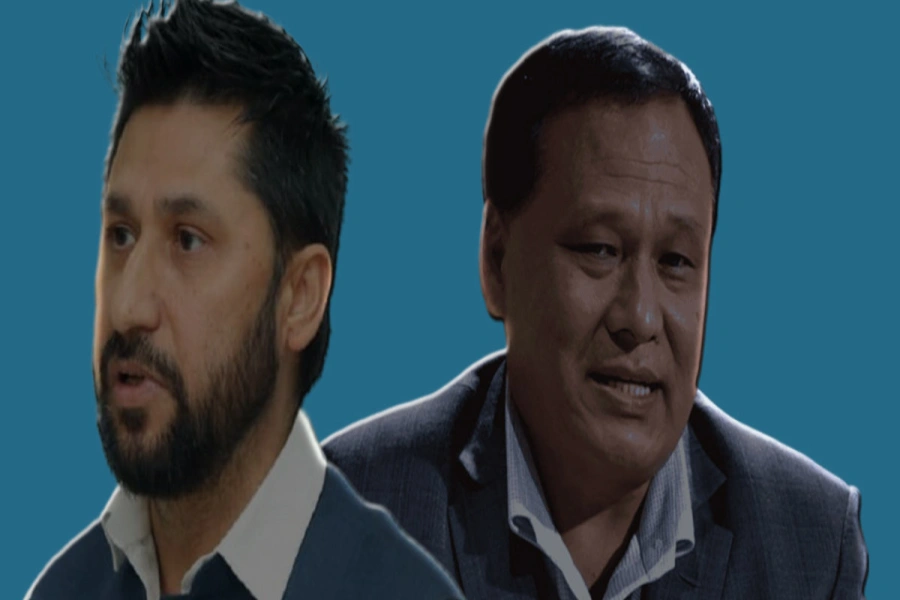
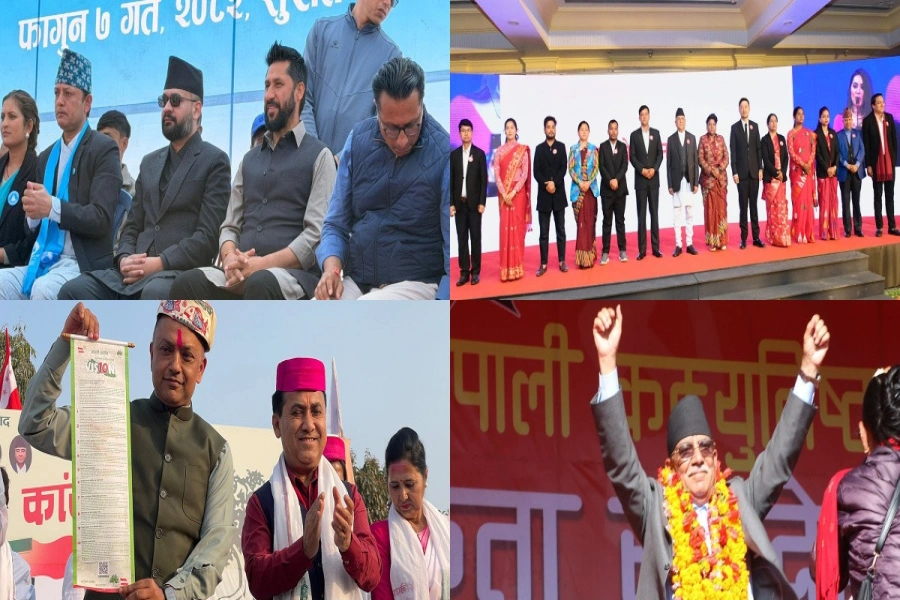
Among the prominent contenders, only Rastriya Swatantra Party (RSP) Chair Rabi Lamichhane and Nepali Communist Party (NCP) Coordinator Pushpa Kamal Dahal have successfully secured their parliamentary seats. Many other senior leaders from established parties failed to convince voters this time, reflecting a growing appetite for political alternatives.
The results underscore the remarkable rise of the RSP, whose candidates have performed strongly across multiple constituencies. The party’s surge suggests that voters are increasingly turning toward newer political forces amid frustration with traditional parties.
Dahal managed to retain his parliamentary presence from Rukum (East), shifting from his previous constituency of Gorkha-2. He secured 10,240 votes, defeating UML’s Lilamani Gautam, who received 3,462 votes, and Nepali Congress candidate Kusum Devi Thapa, who garnered 3,081 votes.
Rabi Lamichhane elected as RSP’s PP leader

However, the election proved far less forgiving for other senior leaders within his party. NCP co-coordinator and former prime minister Madhav Kumar Nepal suffered a significant defeat in Rautahat-1, finishing fourth with 7,669 votes. The seat was won decisively by RSP’s Rajesh Kumar Chaudhary, who secured 28,946 votes.
Meanwhile, RSP leader Rabi Lamichhane confirmed his return to parliament with a commanding victory from Chitwan-2, receiving 30,865 votes. His nearest rival, Nepali Congress candidate Mina Kharel, trailed far behind with 8,744 votes.
In contrast, several senior leaders from Nepal’s largest parties struggled to secure victories. CPN-UML Chair KP Sharma Oli and Nepali Congress President Gagan Thapa both faced electoral setbacks in their respective constituencies.
In Jhapa-5, RSP candidate Balen Shah swept the seat with 68,348 votes, while Oli managed 18,734 votes, losing by a margin of nearly 50,000 votes. The result marks a dramatic reversal for Oli, who had won the same constituency in the 2079 elections with 52,319 votes. Despite maintaining control of the party leadership through the 11th general convention, the electorate appeared unwilling to send him back to parliament.
A similar fate awaited Gagan Thapa, who shifted from Kathmandu-4 to contest from Sarlahi-4 in Madhesh Province. There, RSP candidate Amresh Kumar Singh secured victory with 35,688 votes, while Thapa received 22,831 votes. The defeat comes despite the Nepali Congress holding a special general convention aimed at renewing its leadership and political agenda.
Several leaders from emerging and smaller parties also experienced mixed fortunes. Ujyalo Nepal Party Chair Kulman Ghising lost in Kathmandu-3, securing 11,171 votes against RSP’s Rajunath Pandey, who won the seat with 18,757 votes.
However, Shram Sanskriti Party Chair Harka Sampang has also entered the parliament with his victory in Sunsari-1.
Meanwhile, Rastriya Prajatantra Party (RPP) Chair Rajendra Prasad Lingden suffered defeat in Jhapa-3, losing to RSP’s Prakash Pathak. Lingden received 17,294 votes, compared to Pathak’s 38,674 votes.
Leaders of Madhesh-based parties were not spared either. Upendra Yadav and CK Raut both failed to secure seats. Yadav, contesting from Saptari-3 under the united Janata Samajbadi Party, trailed RSP candidate Amarkant Chaudhary, who received 29,943 votes compared to Yadav’s 13,435. Similarly, the Janamat Party finished third in Saptari-2, where CK Raut secured 7,983 votes, far behind RSP’s Ramji Yadav, who won with 22,111 votes.
Taken together, the election results point to a significant shift in Nepal’s political landscape. With emerging parties gaining momentum and established leaders facing voter pushback, the composition of the new parliament reflects a growing demand for political change.