KATHMANDU, Sept 28: The interim government led by Sushila Karki, formed at a sensitive stage of Nepal’s political transition, is yet to get full shape. Though the cabinet has been expanded twice since its formation on September 12 following the Gen-Z movement, the absence of leadership in the Ministry of Foreign Affairs has become a matter of serious concern. The Prime Minister herself has been handling the ministry, but Nepal’s presence on international platforms has weakened.
The 80th United Nations General Assembly is currently underway in New York, where nations are presenting their priorities, challenges, and solutions. The absence of a high-level delegation and a foreign minister from Nepal has reduced the country’s impact on the global stage. Although Nepal’s Permanent Representative to the UN, Ambassador Lok Bahadur Thapa, is attending, the lack of political leadership has left Nepal’s voice weaker.
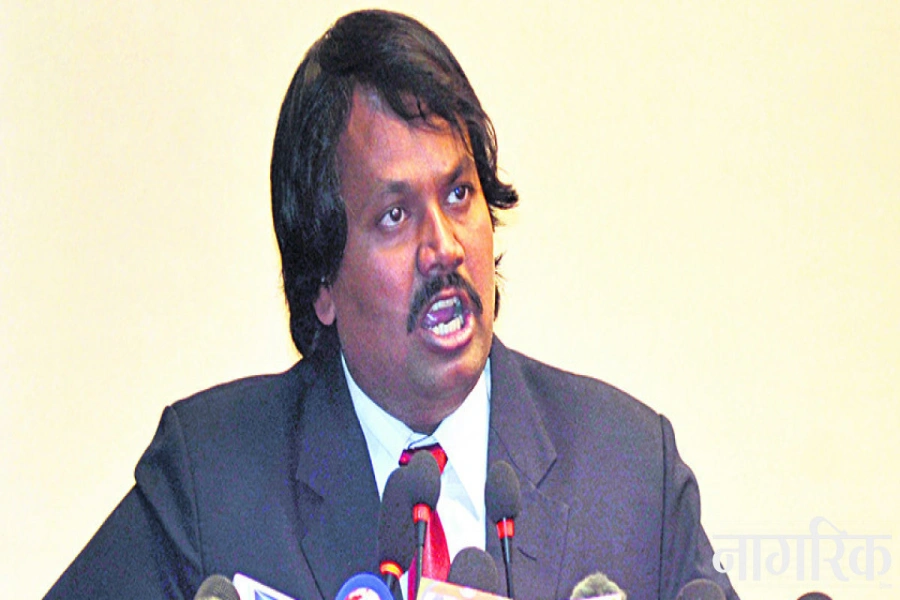
Foreign affairs expert Tanka Karki described the leaderless ministry as a sign of government negligence and a serious weakness. He stressed that although Nepal’s foreign policy is based on non-alignment, the principles of Panchsheel, and the ideals of the UN, effective implementation is impossible without capable leadership. “With the absence of leadership, Nepal’s credibility and diplomatic value are continuously declining,” Karki said.
Astronomers capture 1st image of Milky Way’s huge black hole

He warned that unnecessary tilting toward any one nation would be disastrous for Nepal and underscored the need for balanced diplomatic leadership. According to him, strong leadership is essential in times of crisis to mobilize international cooperation. Post-earthquake reconstruction, climate change impacts, and development challenges require global goodwill and partnership, which can only be achieved with effective foreign policy leadership.
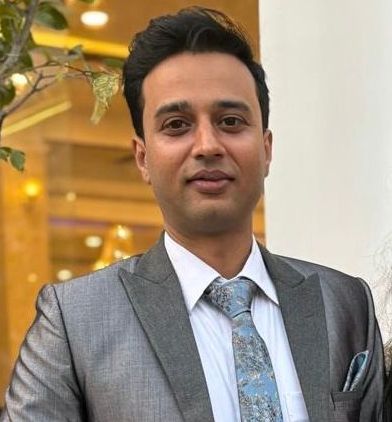
Another foreign policy expert, Nishchal Pandey, drew on historical examples, noting that while Prime Minister Jawaharlal Nehru of India handled the foreign ministry himself for 17 years, and BP Koirala also assumed the responsibility without appointing a foreign minister, the current context is different. “Given today’s political instability and international challenges, relying only on advisers for effective diplomacy is unrealistic. The Prime Minister may carry the portfolio with advisory support, but the situation demands more,” Pandey said.
Nepal plans to prioritize peace, inclusive development, climate justice, and social inclusion at the UNGA. As the land of Buddha, Nepal aims to send a message of dialogue and cooperation to conflict-ridden regions. Being directly affected by climate change, Nepal will call on developed nations to take responsibility under the principle of climate justice. However, delivering such messages credibly and effectively at the global level requires strong leadership.
According to Foreign Ministry spokesperson Lok Bahadur Paudel Chhetri, Nepal will present its commitment to the Sustainable Development Goals (SDGs), social justice, inclusive governance, and the need for international cooperation. “Since no high-level delegation from Nepal will be attending this time, Nepal’s Permanent Representative and Ambassador Lok Bahadur Thapa will represent the country at the General Assembly,” he said. The ministry’s lack of leadership has made it difficult to convey these messages with credibility and weight.
Karki further clarified that the interim government’s mandate is to hold the upcoming election on March 5, in coordination with political parties. Since long-term policy-making is not its responsibility, the government should focus on the election. However, for managing international relations until then, appointing capable leadership at the foreign ministry is essential.
Nepal’s foreign relations are not limited to its two large neighbors, India and China, but also extend to the United States and other major powers in the context of security and regional stability. In such a scenario, only balanced, prudent, and experienced leadership can safeguard Nepal’s international image.
Experts agree that while the interim government’s primary focus should be the election, the leadership vacuum at the foreign ministry is an urgent challenge that must be addressed. Assigning the responsibility to a competent figure is vital to strengthening Nepal’s international presence and protecting national interests.