KATHMANDU, Aug. 4: The Development, Economic Affairs and Good Governance Committee under the National Assembly has recommended urgent measures to address rapidly depleting groundwater resources, limited access to safe drinking water, poor sanitation management, and policy and institutional weaknesses in water resource conservation in Madhesh Province.
In its Study Report on Drinking Water, Sanitation and Water Resources Management in Madhesh Province 2083 BS, prepared following a field study of the province, the committee concluded that rainwater recharge systems should be made a national priority for sustainable water resource management.
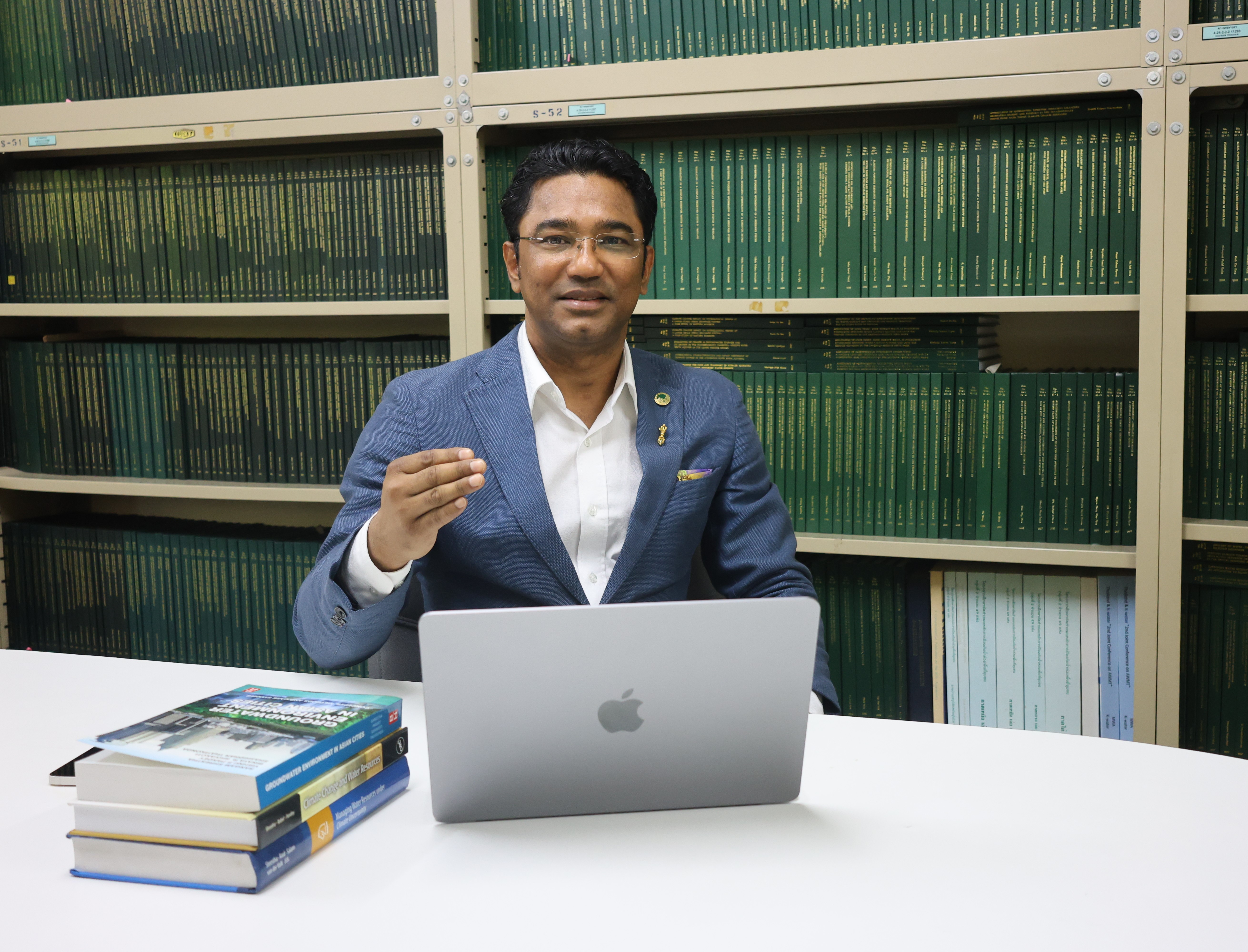
"Water resource management has become a major challenge in Madhesh Province due to changes in the timing and pattern of rainfall, prolonged dry seasons, increased evaporation and transpiration, and disruptions to the natural groundwater recharge cycle caused by climate change," Committee Chair Dr. Krishna Prasad Paudel said while presenting the report to the National Assembly on Monday.
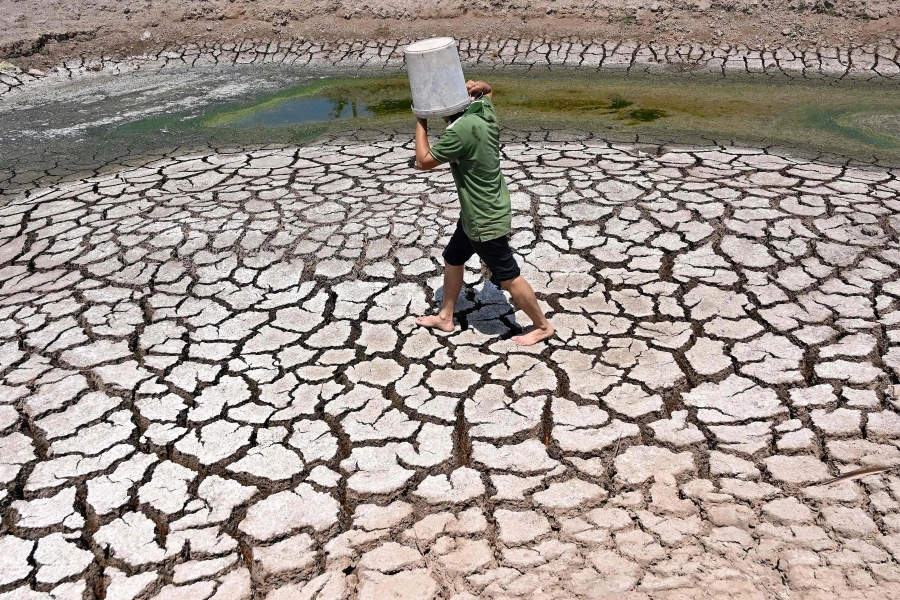
The report warns that the drinking water crisis could worsen as groundwater extraction has increased rapidly across most districts of the province, while recharge infrastructure has failed to keep pace. The study found that groundwater levels in several areas are steadily declining, but monitoring and scientific management remain inadequate.
Experts call for ensuring sustainable management of vital groun...

The committee stated that tubewells have been installed and operated without adequate geological studies, which could negatively affect aquifers in the long term. It recommended making scientific assessments of aquifers using geographic information systems and satellite data mandatory before installing tubewells.
The report also highlights that large volumes of rainwater are lost during the monsoon due to the lack of infrastructure for groundwater recharge. It recommends constructing recharge ponds, percolation tanks, and infiltration galleries at suitable locations to increase groundwater recharge and ensure long-term drinking water security.
The committee further recommended that the government establish a regular groundwater monitoring system to control excessive extraction, collect updated data on aquifer conditions, and set standards for maintaining minimum distances between tubewells to reduce the adverse impacts of multiple wells operating in the same area.
The quality of drinking water has also emerged as a major concern. The report recommends mandatory regular testing in areas vulnerable to chemical contamination, including arsenic pollution, expanding access to safe drinking water, and strengthening water quality monitoring systems. It also stresses the need to prioritize sanitation infrastructure, improve wastewater management, and strengthen the capacity of local governments.
The committee highlighted that climate change has increased both drought and flood risks in Madhesh Province. It said water resource management should not be viewed solely as a drinking water issue but should also be linked to climate adaptation, agriculture, environmental conservation, and disaster management.
The report noted that implementation has been ineffective due to unclear responsibilities among the federal, provincial, and local governments, as well as weak coordination among the concerned agencies. It recommended establishing a permanent coordination mechanism for water resource, drinking water, and sanitation-related programs.
Committee Chair Paudel expressed confidence that implementing the recommendations would improve drinking water and water resource management in Madhesh Province over the long term. He urged the relevant ministries, provincial governments, and local governments to use the report as a practical roadmap rather than merely a formal document.
The committee concluded that ensuring safe drinking water could become increasingly difficult in the coming years if the groundwater crisis in Madhesh is not addressed immediately. It urged the government to integrate scientific research, groundwater recharge, expanded access to safe drinking water, water quality monitoring, and effective intergovernmental coordination to tackle the growing crisis.
The report was prepared based on an on-site study conducted by a subcommittee formed by the committee, a report by the United Nations Office for Project Services (UNOPS) Nepal, and consultations with experts and stakeholders.