KATHMANDU, Sept 1 Six days have passed since the flood struck the Bhotekoshi River in Rasuwa. Hundreds of people have gone missing, but their families have not yet given up hope. They are still waiting, holding on to the faint possibility that their loved ones might somehow return home.
For those who have lost hope of finding survivors, the search has now turned to recovering bodies. Prime Minister Balendra Shah was also briefed by the chiefs of the security agencies on Monday that the chances of rescuing those trapped in the flood alive are now extremely low.
According to a source close to the government, the chiefs of the Nepali Army, Armed Police Force and Nepal Police told the prime minister that rescue efforts had become increasingly difficult because the flow of the Bhotekoshi was changing and huge amounts of mud and debris had accumulated along the riverbanks.
It is natural for the head of government to want every citizen to be rescued alive. A member of the prime minister’s secretariat said Shah has expressed the same concern and anxiety. But regardless of how much people hope, worry or pray, the chances of rescuing those buried under the floodwaters and debris alive are now, as the security chiefs have said, very slim.
In the days ahead, the government will have to review where it failed in the rescue operations after the flood hit villages and markets in the affected areas. It should do so. But today, the state must focus on those who survived the disaster.
The government needs to understand what survivors now face and decide accordingly. Different state agencies must be assigned clear responsibilities and held accountable for carrying them out.
The flood has destroyed infrastructure worth hundreds of millions of rupees. The state can rebuild those structures if it wants to, and in many cases, it can do so quickly.
But hundreds of people have lost their families. That loss cannot be repaired. Many have also lost their homes, savings and everything they owned. The state must become their support as they rebuild their lives.
Hundreds of people who have lost family members and property are also facing serious psychological distress. The government needs to respond to their needs immediately.
Lets talk about suicide!!

Many children have been left without parents. The state must become their guardian. So far, the government does not appear to have given enough attention to this responsibility.
People do not need just a few meals in the name of relief. They need clothing and shelter.
Schools have been swept away. Students and parents have been left deeply traumatised. Those affected will need psychological counselling and support to recover from the experience.
The Bhotekoshi flood has not only exposed the destructive power of a disaster. The repeated disasters Nepal faces have also raised a fundamental question about the way we pursue development: Are we actually developing, or are we simply shifting risks from one place to another?
Efforts are underway to restore damaged roads and bridges, while electricity supplies are gradually returning to normal.
But when we rebuild the structures swept away by the Bhotekoshi, will we put them back in exactly the same places, with the same designs and the same risks?
The Bhotekoshi has not only washed away roads, bridges and houses. It has exposed a basic weakness in the way we build infrastructure.
We calculate the financial returns of development projects. We rarely calculate the risks.
Are we going to continue with the same approach?
The latest flood has affected more than two dozen hydropower projects that were either operating or under construction in Rasuwa and Nuwakot. Initial estimates suggest that the damage could run into hundreds of billions of rupees.
These projects are not simply concrete and steel structures. Hundreds of workers and technicians were working at these sites, and many remain there. Some are believed to be trapped inside tunnels.
When we built hydropower projects, did we consider only flood risks, or did we also account for the changing risks of the Himalayan landscape?
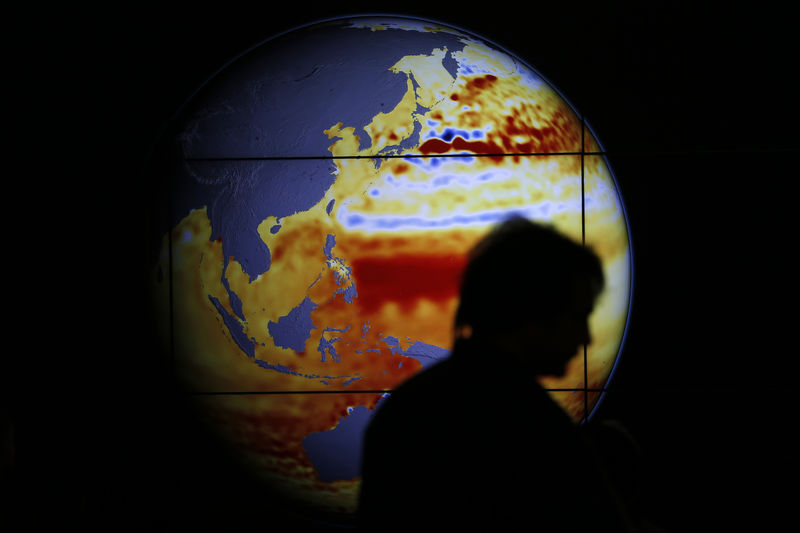
The mountains are no longer what they used to be. Temperatures are rising. Glaciers are melting. The risks posed by glacial lakes are increasing. Mountain slopes are becoming unstable.
What lessons will we take from this, and what policies will we adopt for the future?
Instead of rebuilding damaged infrastructure exactly as it was, should we not start rebuilding it in a way that reduces risks for the next 20 or 30 years?
If a bridge is washed away and we simply rebuild it in the same place, if a road is destroyed and we rebuild it along the same alignment, if a hydropower facility is damaged and we restore it using the old design, or if a settlement is swept away and we resettle people in the same location, that is not reconstruction. It is an invitation to another disaster.
We should not plan simply to restore what existed before. We need to plan how to make it safer.
Nepal needs a new risk map. Potential river flood zones, glacial lakes and landslide risks, unstable slopes, settlement risks, hydropower project risks and the vulnerability of critical infrastructure should all be connected through a single digital system.
Nepal must increase hydropower generation. But the question should not only be how many megawatts we can produce. We must also ask how safely we can produce them.
If a main tunnel is blocked, is there an alternative route for rescue? If communications fail, do we have a backup system to maintain contact?
We cannot defeat nature. But we can reduce the risks it poses. That requires a fundamental change in Nepal’s development model.
When building roads, we must account for flood risks. When constructing hydropower projects, we must consider glacial lake outbursts and landslides. When developing settlements, we must assess the risks from rivers and unstable slopes. When building schools and hospitals, we must ensure emergency access.
So instead of rebuilding damaged infrastructure exactly as it was and waiting for the next disaster, Nepal needs to build with new thinking, safer locations and safer designs.
But before rebuilding physical structures, the government must focus on those whose lives have been shattered by the flood. Relief and rehabilitation must come first. The state needs to help people heal, rebuild their lives and regain a sense that they have not been left on their own.